Start from the result: a short routine that reliably feels luxe
You want a simple self-care routine that feels luxurious—something you’ll actually do, not abandon. That means a ritual under 30 minutes, a clear sensory focus (smell, touch, warmth, sight), and one dependable product that delivers a consistent, pleasing result. Ignore broad "wellness overhauls" and lengthy checklists; skip trends that require lots of gear. Small, repeatable choices create a steady feeling of luxury.
Choose the experience you want and the time you’ll give it
First decide how much time you can reliably commit. Pick one of three realistic templates and treat it as nonnegotiable:
- Five minutes: a quick scent-and-breath reset (morning or mid-afternoon).
- 10–15 minutes: focused face or hand ritual with a sensory upgrade.
- 20–30 minutes: at-home mini-spa (bath or steam shower + restorative pause).
Choosing time first prevents overreach; the goal is luxury perception, not duration.
Pick one sensory anchor and build around it
Luxury is sensory. Choose one anchor—aroma, texture, heat, or light—and keep everything else minimal so the anchor stands out.
- Aroma: a single high-quality scent (essential oil roller, shower steamer, or scented candle).
- Texture: a rich oil or balm for hands or face that feels nourishing on contact.
- Heat/steam: a warm towel or steam shower to relax muscles and open pores.
- Light: dim lighting or a single candle to create a quiet atmosphere.
Use the chosen anchor every time; repetition trains your brain to associate the cue with indulgence.
Assemble a compact kit that’s easy to reach
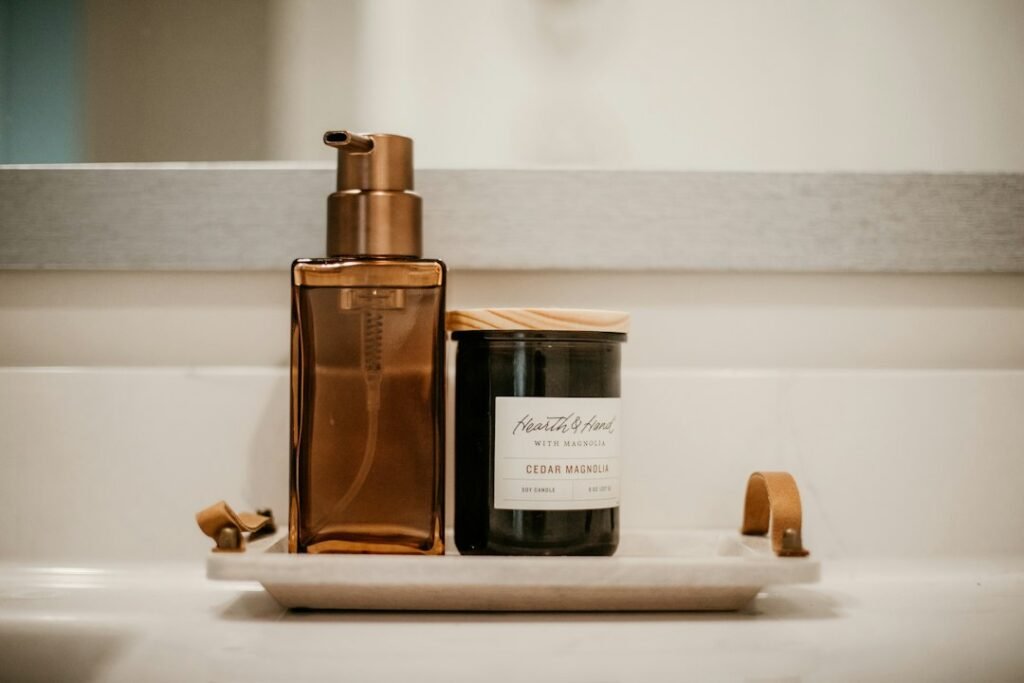
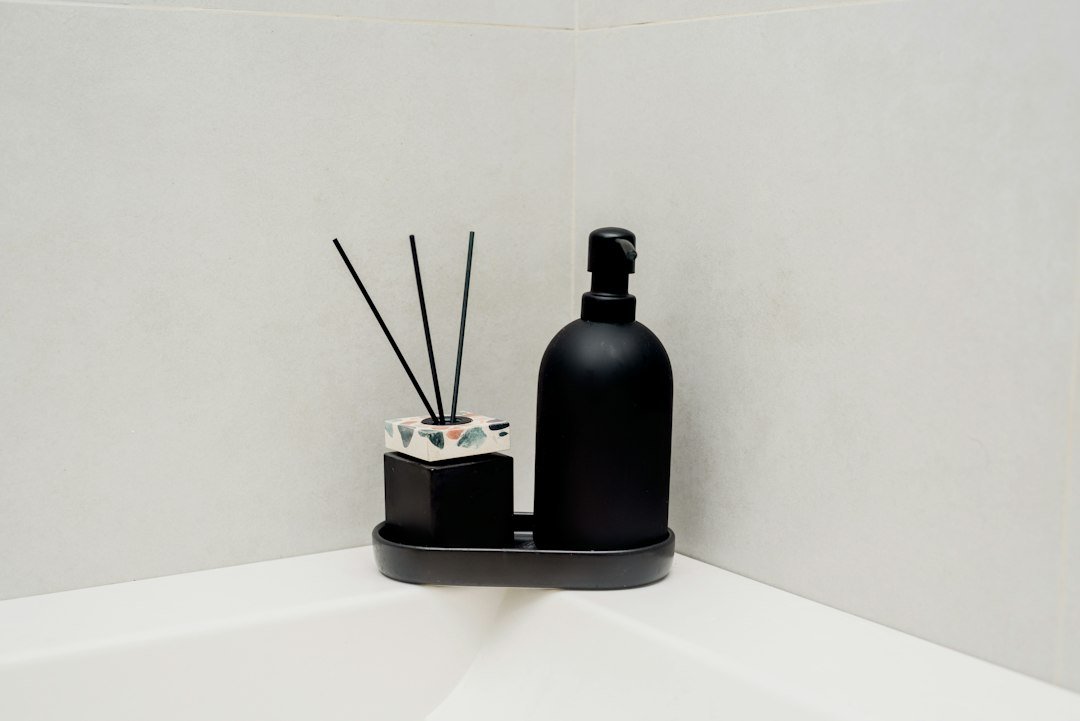
Luxury collapses if you spend five minutes hunting for things. Keep a small kit or tray of 3–5 items near where you’ll perform the ritual.
- Example 10–15 minute face ritual: gentle cleanser, exfoliating cloth or mild scrub, hydrating serum or face oil, a nourishing moisturizer, and a small candle or diffuser stick.
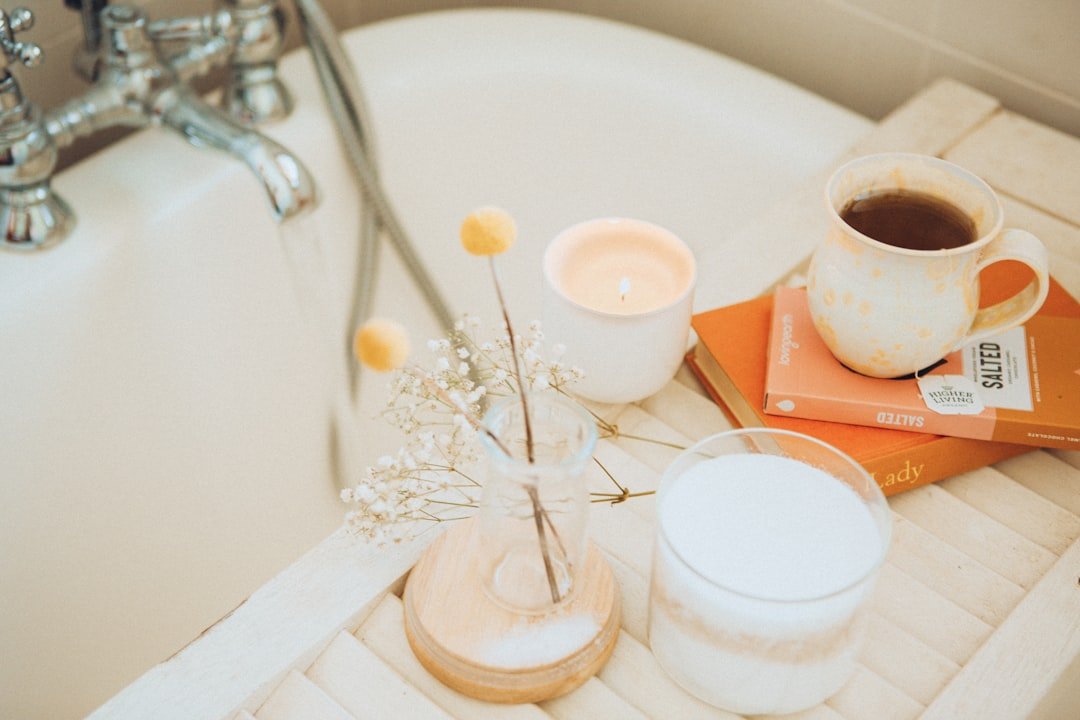
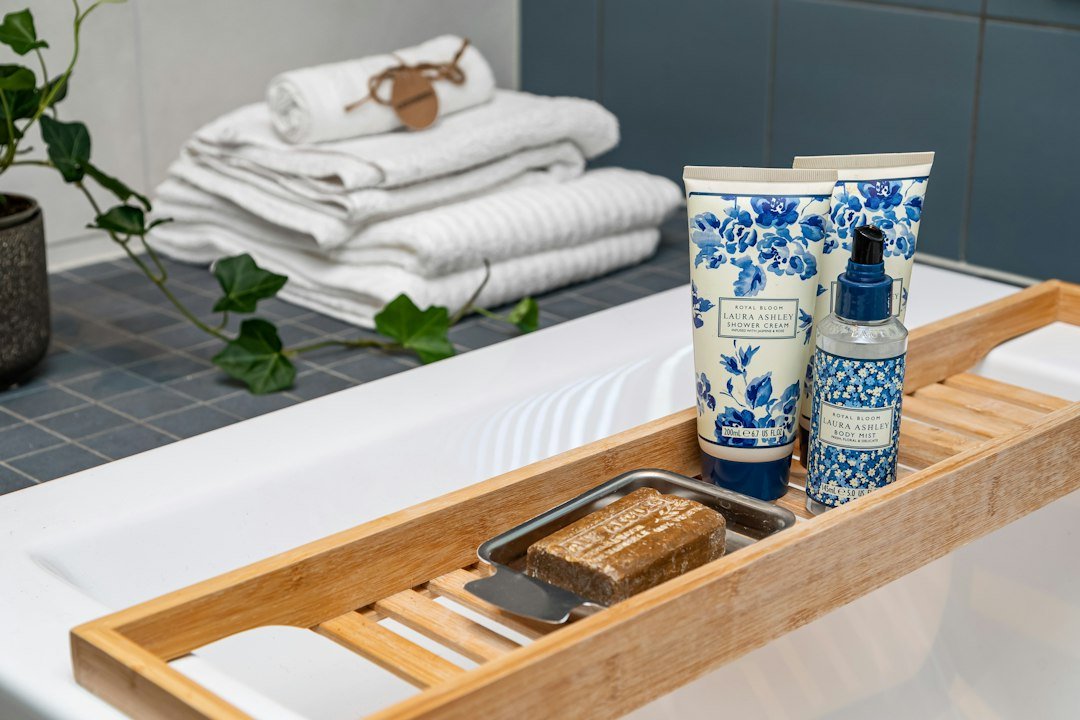
- Example 20–30 minute bath ritual: bath salts or oil, a soft towel and robe, a candle, and a playlist or quiet timer.
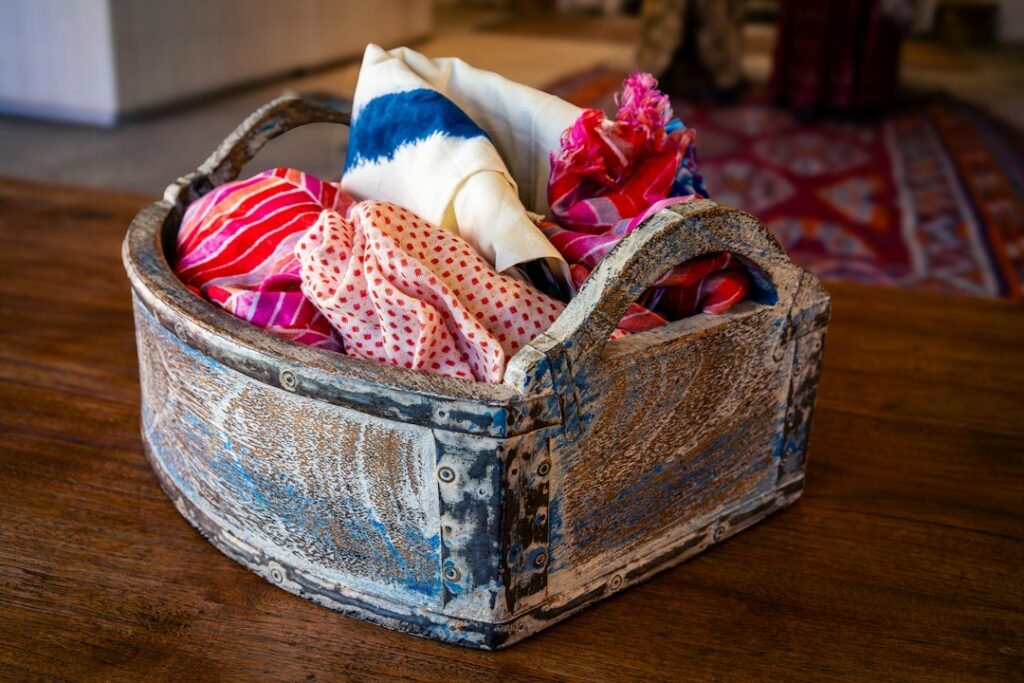
Store the kit in a basket or tray so it visually signals “time to slow down.”
Make a short sequence you can memorize
Rituals feel luxurious because they’re predictable and repeated. Create a 3–5 step sequence you can do without thinking. Example 10-minute sequence for evening wind-down:
- Light the candle or place a shower steamer on the floor; take three slow diaphragmatic breaths.
- Cleanse face or wash hands to mark the transition.
- Apply a textured product (face oil, hand cream) with slow, deliberate motions.
- Sit quietly for two minutes with eyes closed, focusing on the scent or warmth.
Short, deliberate actions beat elaborate rituals you’ll skip.
Upgrade one product—don’t replace your whole routine
Instead of buying many items, upgrade a single product that meaningfully improves the sensation: a silky face oil, a luxury hand cream, or aromatherapy shower steamers. This is the most cost-effective way to increase perceived luxury.
For an easy at-home spa upgrade, try a curated bath set that combines natural ingredients and pleasant scents—perfect when you want a ready-made, high-impact product without hunting. It’s an accessible way to feel pampered on a schedule and also makes a good gift.
Practical adjustments for busy schedules and small spaces
If mornings are chaotic, shift your routine to a consistent slot—right after lunch, before bed, or the moment you get home. For tiny spaces, use multi-function products: a hydrating serum that doubles as a body oil, or shower steamers instead of a candle. Keep single-use items (face masks, bath salts) in clear containers so they’re inviting, not hidden.
Troubleshooting: when the ritual stops feeling special
If the routine becomes rote, rotate one element every 2–4 weeks: swap the scent, change from a face oil to a mask, or move the ritual to a different time of day. If stress blocks enjoyment, shorten the ritual to its most essential step (breath + one sensory action) so you maintain continuity without pressure.
One product decision that often matters most
Fragrance is the quickest path to a luxurious feel—clean, warm, or herbal notes create different moods. If you prefer an easy, low-prep option, shower steamers deliver instant aromatherapy during an ordinary shower and require no extra storage or clean-up.
When to treat self-care like maintenance, not reward
Luxury loses power when it’s only granted as a reward after "completing" tasks. Make the routine maintenance: a consistent act that replenishes capacity. That mindset removes guilt and makes the ritual feel like necessary care rather than an indulgent exception.
- Choose one 5–30 minute time slot and protect it on your calendar.
- Select a single sensory anchor (scent, texture, heat, or light).
- Create a 3–5 step sequence you can do from memory.
- Assemble a small tray or basket with 3–5 items within arm’s reach.
- Upgrade one product that noticeably improves feel (e.g., face oil or bath set).
A simple self-care routine becomes luxurious when it’s short, sensory-focused, and repeatable. Prioritize one time slot, one anchor, and one upgraded product—then protect that space as a nonnegotiable part of your schedule.
How often should I do this routine?
Daily if it’s five minutes; 3–4 times a week for 20–30 minute rituals. Frequency depends on time available and how restorative you find it.
Can I make a luxurious routine on a budget?
Yes—use inexpensive sensory anchors like a candle or homemade bath salt, and upgrade one inexpensive product (a high-quality hand cream or oil) for maximum impact.
Are shower steamers better than candles?
They serve different needs: shower steamers are low-maintenance and safe for small spaces; candles add warm light and ritual but require more attention and ventilation.
How do I keep self-care from feeling like another task?
Make it brief, predictable, and tied to a daily anchor (after brushing teeth, after work). Treat it as maintenance rather than a reward to remove pressure.