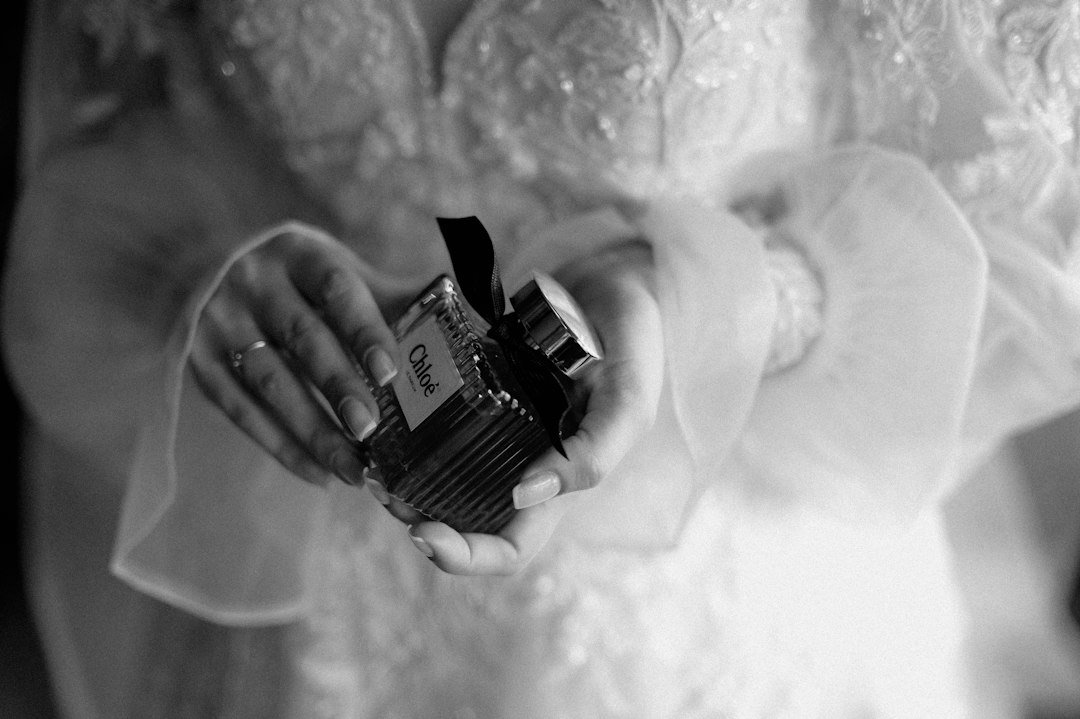
Quick answer: pick an "everyday perfume" that matches where you are most days, then test it on your skin in the situations you'll wear it.
The most useful everyday perfume is not the most expensive or the loudest; it's the scent you enjoy, that complements your lifestyle (office, gym, casual weekends), and that smells pleasant on your skin for several hours. Start by clarifying use, narrow by scent family and concentration, and always test properly before buying.
What actually matters when choosing an everyday perfume
Before looking at bottles, know these priorities: daily context, scent strength (concentration), longevity, how it reacts with your skin, and season. Ignore marketing copy until you’ve matched those practical factors to your habits.
1. Daily context: where and when will you wear it?
Decide the dominant setting: office/meetings, casual daytime, active/outdoor, or evening. A work environment usually needs a softer, unobtrusive scent (light florals, clean musks, citrus). Weekends or evenings allow bolder florals, gourmands or spicy notes. If you commute or work close to others, choose lower projection and cleaner accords.
2. Concentration: eau de toilette, eau de parfum, or body mists?
Concentration controls strength and longevity. Eau de parfum (EDP) is richer and lasts longer—good if you want one spray in the morning. Eau de toilette (EDT) is fresher and lighter—better for hot climates or layered wearing. Body mists are subtle and inexpensive to reapply but fade quickly.
3. Scent family and mood
Think in families not single notes. Fresh/citrus and aquatic for crisp, everyday wear; soft florals and powdery musks for approachable warmth; light woody or green accords for understated polish. Gourmands (vanilla, caramel) are cozy but can feel heavy for daytime—use sparingly or reserve for cooler months.
4. Skin chemistry and testing
Perfume smells different on paper than on skin. Natural oils and pH change a fragrance’s heart and base over hours. Always test a spray on your wrist (not just a strip), wear it for at least four hours, and notice the drydown—the scent that remains after the top notes fade.
How to narrow choices quickly: a practical decision path
- Identify primary use: work, everyday casual, gym/errands, or evening. Pick the corresponding scent families above.
- Choose concentration: EDP for 6–8 hour wear; EDT for 3–5 hours and hotter climates; travel-size or sample if undecided.
- Limit top candidates to 3: pick one each from “safe,” “interesting,” and “backup.” That prevents choice fatigue.
- Test on skin across a day: sample each on different days or different wrists on the same day with several hours gap.
- Decide using reaction and comfort: choose the one you enjoy smelling on yourself and that others won’t find overpowering.
When to favor one scent family over another
- Office / Close contact: soft florals (peony, rose), clean musks, light citrus — low projection, professional.
- Active days / errands: citrus, green, aquatic — energizing and quick to refresh.
- Casual social days: warm florals, light woody notes, soft gourmands — friendly and memorable without being heavy.
- Cool weather / evening: richer orientals, spiced woods, vanilla gourmands — more projection and warmth.
Practical testing routine you can use in-store or at home
- Spray once on inner wrist and wait 30–60 minutes for heart notes to appear. Smell again at 2–4 hours for the drydown.
- Keep samples separate—don’t test more than three fragrances in a single session to avoid nasal fatigue.
- Wear each sample during a normal activity (office, commute) to judge real-world behavior.
- Consider asking a trusted coworker or friend if it’s subtle and pleasant; external perception matters for everyday scents.
When a perfume set or sampler is the smarter buy
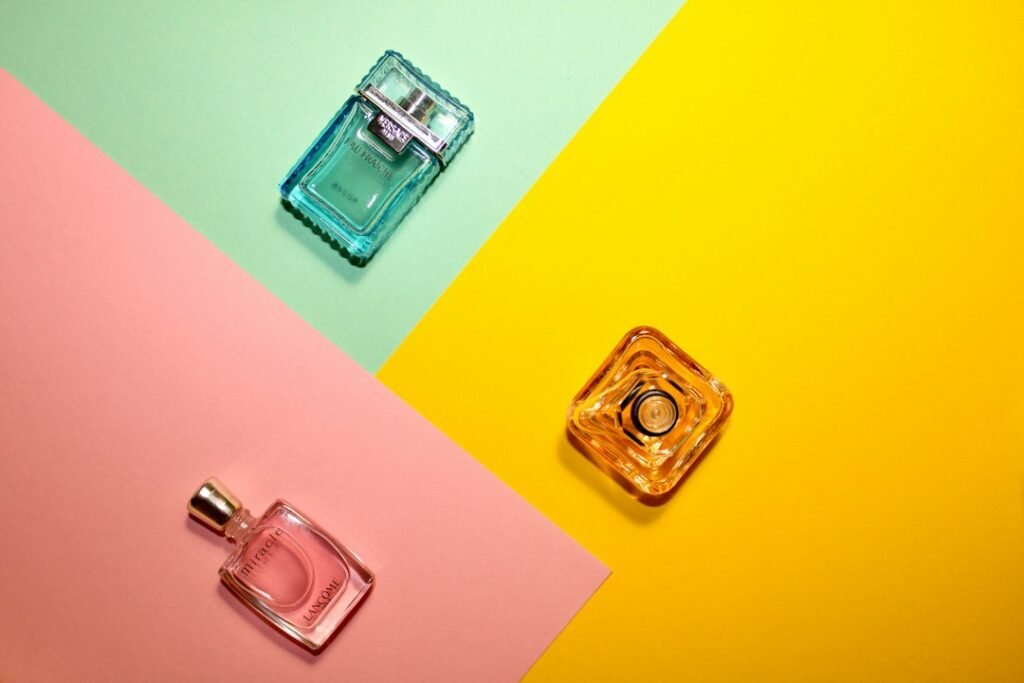
If you’re building an everyday rotation or uncertain about one signature scent, a curated perfume set or sampler gives variety without commitment. Try lighter options for daily wear and a richer option for evenings. A set also makes travel easy—carry a lighter EDT or a small atomizer for daytime reapplications.

Recommended option when you're choosing: consider a compact multi-fragrance set so you can match scent to setting without buying full bottles prematurely.
Application tips for consistent, pleasant results
- Spray from 6–8 inches away on pulse points (wrists, inner elbows, neck). For subtlety, spray into the air and walk through the mist.
- Don’t rub wrists together—it crushes the top notes and shortens longevity.
- Layering: use matching body lotion or neutral unscented moisturizer first to help the perfume last longer and smell truer.
- Store bottles away from heat, light and humidity to keep the scent stable.
Common trade-offs and quick rules of thumb
- Stronger = fewer sprays. An EDP needs 1–2 sprays; EDT might need 2–4.
- Citrus fades faster but reads fresher; woods/musks last longer but can be heavier.
- Mood vs. practicality: a scent that excites you might not be office-appropriate—reserve it for non-work hours if needed.
- Have you identified the primary setting you’ll wear this perfume in?
- Did you test the scent on skin and check the drydown after several hours?
- Is the concentration aligned with your need for longevity and subtlety?
- Have you ruled out fragrances that become unpleasantly heavy on your skin?
- Do you have a travel-size or sample to avoid overcommitting?
Pick an everyday perfume by matching scent family and concentration to your daily life, test on skin across real activities, and choose the one that feels natural and unobtrusive in the places you spend most time.
How many perfumes should I own for everyday use?
Two to four is a practical range: one for work, one for casual/daytime, and one for evenings or colder months; a sampler can fill gaps temporarily.
Can I wear a strong perfume to the office?
It’s best to opt for low projection scents at work; if a beloved scent is strong, use one light spray or reserve it for after-hours.
How long should I test a perfume before buying?
Wear a sample for at least a full workday (4–8 hours) to evaluate top, heart and base notes and to notice any skin reactions.
Is eau de parfum always better than eau de toilette?
No—EDP lasts longer but can be overpowering in close quarters; choose EDT for heat or when you want a lighter, fresher effect.
Are perfume sets worth it for finding an everyday scent?
Yes. Sets let you try multiple accords affordably and create a small rotation tailored to different days and seasons.