A familiar choice you make without noticing
You’re getting ready for work or a date, reach for the same bottle you’ve used for months, and—without thinking—feel like yourself. That effortless moment is what “finding your signature fragrance” means: a scent that fits your life, moods and the way you want to be remembered. If you’re starting from scratch, here’s a practical way to reach that bottle without wasting money or time.
Quick answer: a simple, three-step approach
Find your signature fragrance by (1) narrowing to 3–5 fragrance families you like, (2) testing concentrated scents on skin using samples in real-life conditions, and (3) choosing the scent that grows on you over several wears. That’s the shortest path; the sections below expand how to do each step reliably.
Start by noticing what you already like
Before visiting a store, collect clues: perfume you’ve enjoyed in the past, food or nature smells you love (vanilla, fresh cut grass, citrus), and celebrities or friends whose scents you admired. Translate those into scent families—citrus, floral, woody, oriental (warm spices/resins), fresh/green, and gourmand (food-like notes such as caramel or coffee). Limiting your initial search to 3–5 families keeps testing focused.
How to test perfumes without confusing your nose
Perfume counters and online descriptions can overwhelm. Use this practical testing routine:
- Start with paper scent strips in the store to rule out obvious dislikes.
- Move to skin: apply a small dot on the inner wrist or inner elbow. Body chemistry changes how perfume smells—always test on skin.
- Wait for at least 30–60 minutes to evaluate the dry-down (how the scent settles after top notes evaporate).
- Limit yourself to 3 tests per outing; let your nose breathe between scents by smelling your sleeve or coffee beans briefly.
Sample at home and in real life
Don’t rely on a single store test. Order or request samples and carry them for daily wear two or three times each. Live with the scent—try it on a weekday, during a social outing, and for an evening—so you can see how it fits different contexts and how long it lasts on your skin.
When to buy a full bottle and when to choose a smaller set
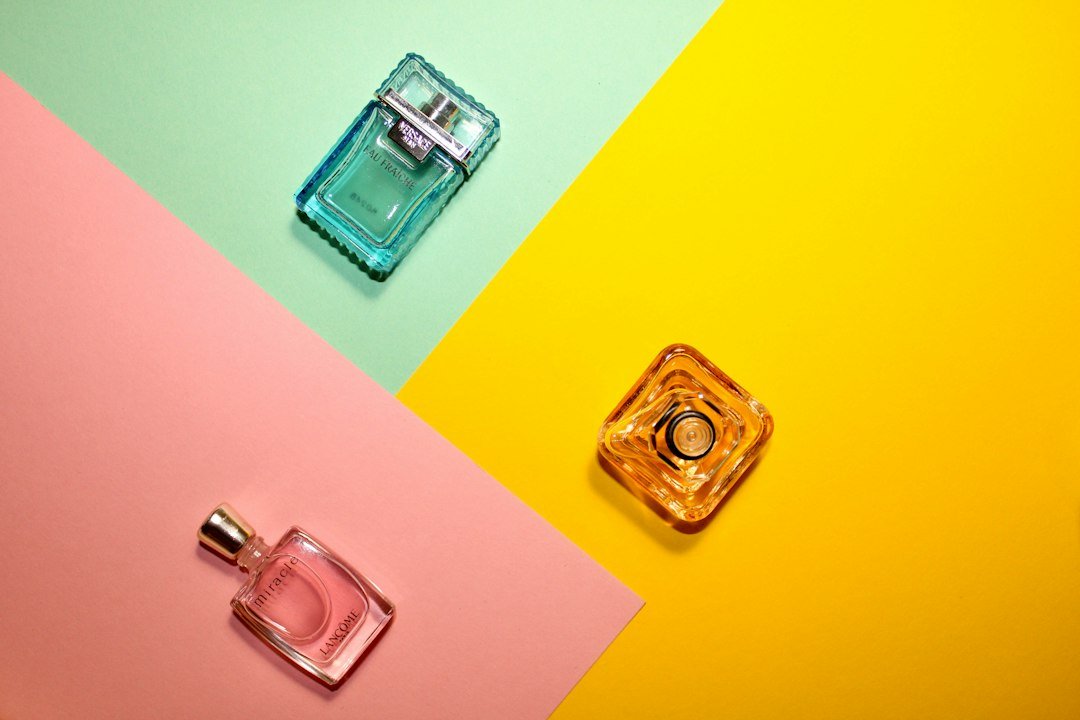
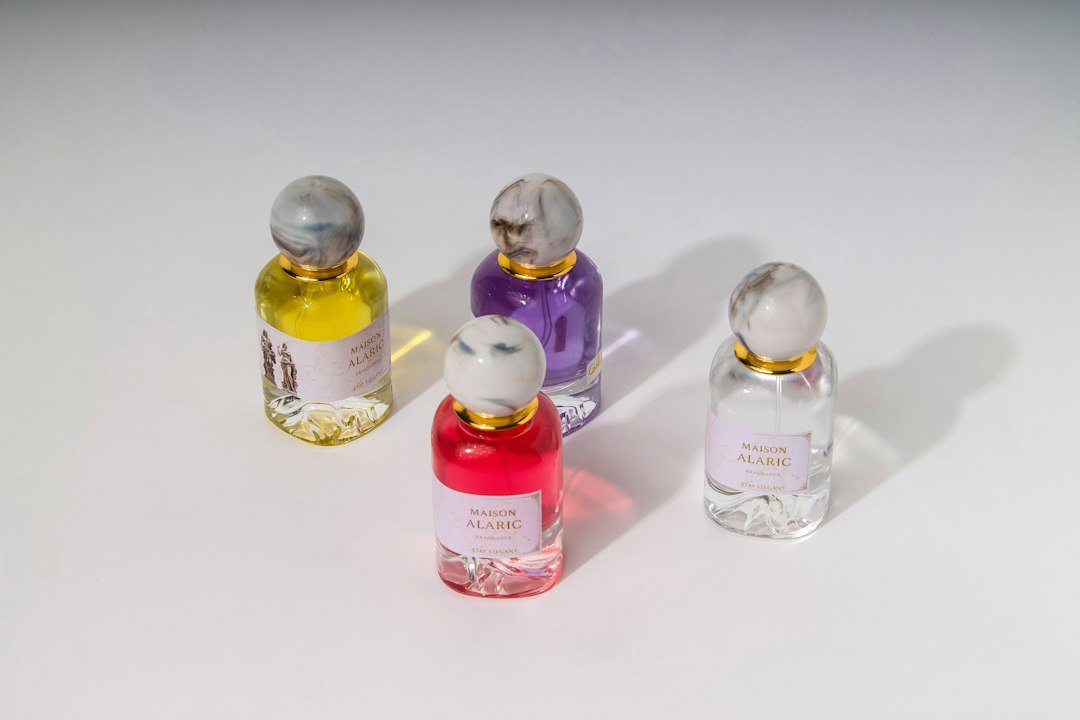
If a scent consistently feels right after 3–6 wears, a full bottle makes sense. If you want to explore, a mini or sample set lets you rotate and compare without commitment. For beginners, a curated mini perfume set is often the wisest first purchase because it reveals which families truly work with your chemistry.
The Beautivana Mini Perfume Gift Set is a practical choice for exploration: multiple mini vials let you experience fragrances over repeated wears before investing in a full bottle.
Understand concentration and longevity
Perfumes come in concentrations that affect intensity and staying power—eau de toilette (lighter), eau de parfum (moderate), parfum/extrait (stronger). If you want a true signature that lasts through a workday, prioritize eau de parfum or parfum versions when possible. But remember: stronger concentration isn’t automatically better; a weaker concentration of a scent you love beats an overpowering one you tolerate.
Practical rules for everyday wear and layering
- Start light: apply one spray to clothing or two sprays on pulse points (wrists, behind ears). You can add, but you can’t subtract.
- Layering: use body products from the same scent family (unscented base creams are safe), or layer a matching scented body mist carefully to boost longevity without changing the perfume’s character.
- Keep one “signature” for everyday and a separate one for evenings or special occasions if you like variety.
Budgeting: how much to spend and where to save
Decide whether your signature fragrance is an everyday staple (justify a mid-range bottle) or an occasional splurge. You can save by buying samples, starting with a 30ml bottle, or choosing less-marketed but well-reviewed niche or house fragrances. Also consider longevity: a longer-lasting fragrance needs fewer reapplications, stretching value.
Common pitfalls and how to avoid them
- Buying because of packaging, not scent—judge by smell on skin.
- Picking under time pressure—give yourself multiple wears before committing.
- Mistaking intensity for quality—some perfumes are strong but shallow; look for pleasant development from top to base notes.
Final step: build a small wearable rotation
When you’ve identified a signature, keep one bottle for daily wear, a lighter seasonal alternative (citrus or aquatic for summer), and one special-occasion scent. Store perfumes upright, away from direct light and heat, to preserve them.
Checklist: ready to find your signature
- List 3–5 scent families you naturally prefer.
- Test no more than three perfumes per outing, always on skin.
- Obtain samples and wear each 2–3 times in real life before deciding.
- Choose concentration (EDP/parfum) based on desired longevity.
- Start with a mini set or small bottle to confirm long-term fit.
- Store your chosen bottle away from light and heat.
Finding a signature fragrance is a process of focused exploration: narrow your options, test properly on skin, and live with samples before buying. Small investments—mini sets and repeats—save money and avoid regret.
How many perfumes should I test in one visit?
Stick to three or fewer to avoid olfactory fatigue; give your nose a break between tests.
Why does a perfume smell different on me than on paper?
Body chemistry—skin oils, pH, and temperature—interacts with fragrance molecules and changes how notes develop and last.
Are mini sets worth buying?
Yes—mini sets let you evaluate multiple scents across real-life wears before committing to a full bottle.
How do I make a scent last longer?
Apply to moisturized skin, use matching unscented or lightly scented body products, and choose higher concentrations for more longevity.
Can my signature change over time?
Absolutely—tastes and lifestyle change, so revisit your choices seasonally or every few years.