You're enjoying morning coffee and notice a tiny crystal tree tucked under a lamp—why does it look crowded and dim? The end result you want is a purposeful, balanced display where gemstone trees and crystal decor add color, texture and a calm focal point instead of clutter.
This guide shows exactly how to style gemstone trees and crystal decor room by room, how to choose scale and color, where to cluster or isolate pieces, and how to keep them clean and meaningful. Focus keyphrase: style gemstone trees.
Choose the right piece for the place: scale, material and mood
Start by matching the tree's size and material to the specific spot. Small trees (3–6 inches) work for shelves, bedside tables, and desk nooks. Medium trees (6–12 inches) suit consoles, sideboards, and bookcase vignettes. Large trees (12"+) become mantels or entryway anchors.
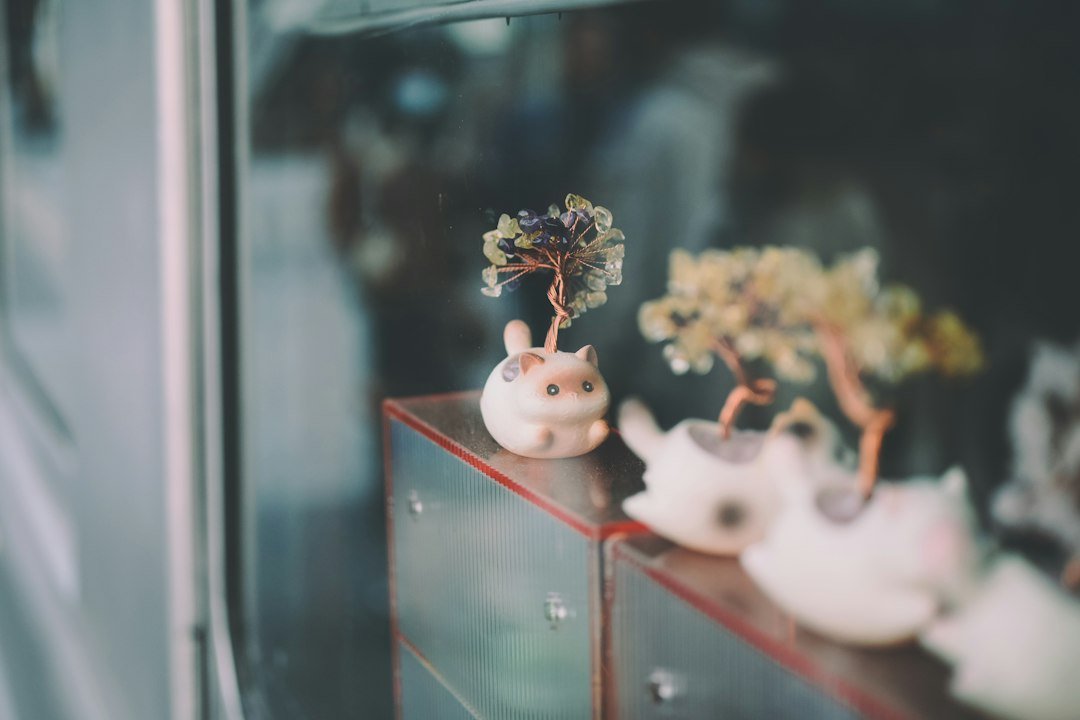
- Metal wire and tiny chip trees read delicate—use them where you want shimmer without visual weight.
- Chunkier clusters or polished crystal trees read more sculptural—reserve for focal points.
- Consider base material: brass or copper bases warm a space; stone or wood bases feel grounded and organic.
Room-by-room placement that looks intentional
Entryway—make a calm first impression
Place one medium tree near the key bowl or on a narrow console. Use a simple tray or small riser to keep it visually distinct from mail and everyday clutter. If you want energy balance, pair a clear quartz or rose quartz tree with a small dish of tumbled stones.
Living room—choose focal vs supporting roles
Decide if the tree is a focal point (mantel, coffee table) or a supporting accent (bookshelf, side table). For focal placement, give the piece breathing room—leave at least one side open to the room so it reads as an object, not an accessory. For shelves, repeat similar materials or colors across 2–3 levels for cohesion.
Bedroom—use crystals to soften and soothe
At the bedside, choose smaller trees or clusters (amethyst or rose quartz recommended for a calming palette). Keep the display minimal—one tree + one low object (a small lamp or a ceramic bowl) so it supports rest, not distraction.
Workspace—clarity and focus
Small trees or single polished points work best next to a monitor or on a shelf. Place them so they’re visible but not in the way of task lighting or paperwork; consider a wooden coaster to protect surfaces.
Color, contrast and how to balance multiple pieces
Work with three visual weights: color, texture and height. Limit the palette to two dominant hues plus metallic or neutral bases to avoid visual noise. For example, pair green aventurine and mossy tones with warm wood; amethyst pops require simpler surroundings to avoid clashing.
- Cluster rule: odd numbers (3–5) create natural interest. Vary heights within the cluster for rhythm.
- Contrast rule: put lighter crystals against dark backgrounds and darker crystals against light backgrounds to help them read.
- Scale rule: never put a tiny tree alone on a very large surface; visually anchor it with a book stack, tray, or plant.
Styling with other objects: plants, books, trays and art
Gemstone trees pair exceptionally well with living plants and natural materials. The contrast of leaf shapes and crystal chips creates an appealing tension.
- Place a tree near a trailing plant to echo organic lines, or next to a structured succulent for contrast.
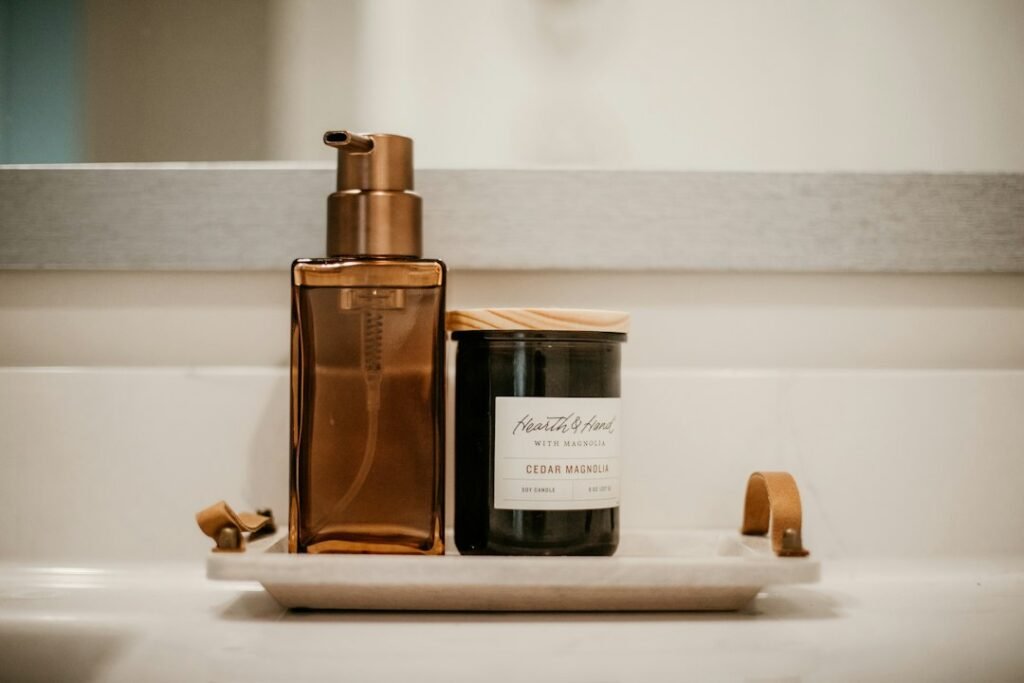
- Use a low tray to group multiple small crystals with a tree—this keeps dusting simple and looks curated.
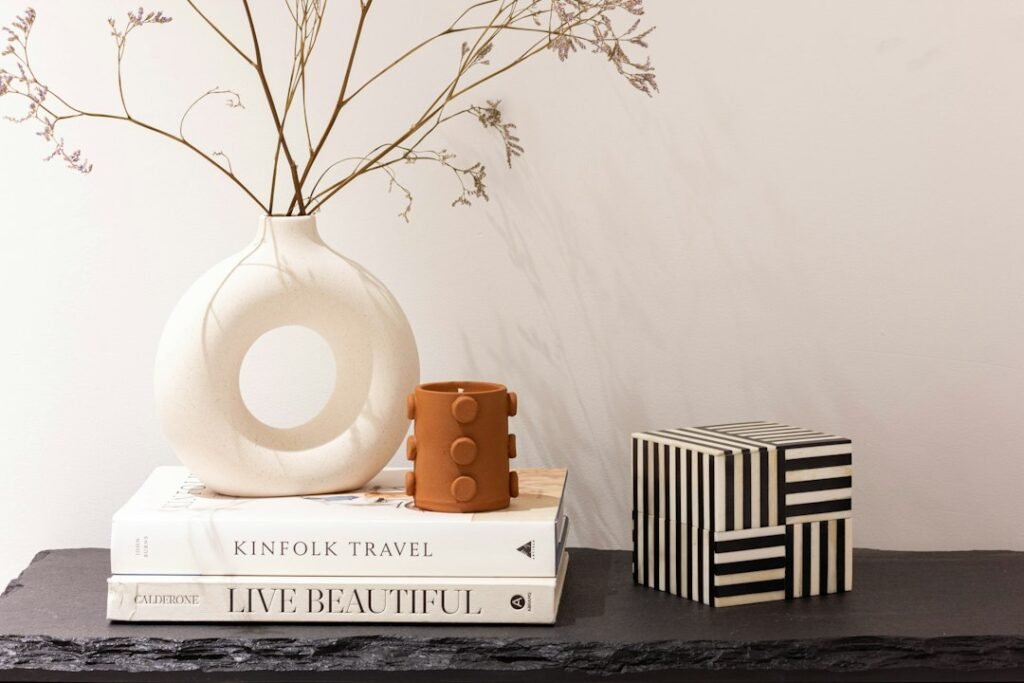
- When pairing with books, use horizontal stacks to increase surface area and make the tree feel intentional rather than precarious.
Lighting matters: make crystals sing
Position gemstone trees where they catch soft, indirect light. Natural window light shows color and translucence best; avoid harsh direct sun on fragile tumbled stones which can fade certain minerals over time. For evening displays, a nearby warm LED uplight or lamp (not hot halogen) enhances sparkle without damaging the crystal.
[hAZAM_NOTE title="Small detail that helps"]Rotate displays seasonally so direct sun doesn’t continuously shine on one piece; this prevents uneven fading on sensitive stones.
[/hAZAM_NOTE]Cleaning and basic care so your display stays beautiful
Dust weekly with a soft brush or microfiber cloth. For chip-style trees, use a small paintbrush to get between stones. Avoid submerging wired trees—moisture can corrode wire or loosen glue. For non-wired clusters, a quick rinse and air-dry is usually safe; check each mineral's care needs first (e.g., selenite dissolves in water).
When to choose a crystal tree as a gift or focal purchase
Opt for a small, versatile tree when you're uncertain about someone’s décor (it’s easy to place). Choose distinctive colors or a larger sculptural piece when you want a statement gift that defines a corner of a room. If you want a ready-made option, consider our selection of handcrafted crystal trees that fit different rooms and moods.
- Measure surface and pick appropriate tree size (small/medium/large).
- Limit color palette to two dominant hues plus neutrals.
- Use odd-number clusters and varied heights for groupings.
- Anchor small pieces with a tray, book stack or plant.
- Place away from harsh direct sun and use soft lighting.
- Dust weekly and avoid submerging wired trees.
Styling gemstone trees is about scale, breathing room and pairing—choose a size for the surface, use odd-number groupings, and combine with plants, books or trays to anchor pieces. Soft light and regular gentle care preserve both color and craftsmanship.
Can I place gemstone trees in direct sunlight?
Avoid long periods of direct sun for colored or delicate minerals to prevent fading; short bursts are usually fine for more durable stones.
How do I clean a gemstone tree with wired branches?
Dust with a soft brush or microfiber cloth; for tight spots use a small paintbrush. Do not submerge wired trees in water.
Which crystals work best for a bedroom display?
Rose quartz and amethyst are popular for bedrooms due to their soft colors and calming associations; choose small sizes for bedside tables.
How should I group multiple crystal pieces on a shelf?
Use odd-number groupings, vary heights and textures, and anchor smaller pieces with trays or horizontal book stacks to keep the arrangement coherent.
Are gemstone trees suitable for minimalist decor?
Yes—choose single-color, low-profile trees with simple bases and give them space on uncluttered surfaces so they read as sculptural accents.