Bottom line up front: focus on purpose, materials, and the maker’s transparency
If you’re shopping for handmade and artisan products, start by deciding what you want the item to do and for how long. Then check the materials and construction, and look for clear maker information (who made it, where, and how). Those three priorities—use case, materials/craftsmanship, and maker transparency—tell you more about value and fit than trend-driven branding or buzzwords.
Decide the use case first: how you'll actually live with the piece
Before you evaluate aesthetics, ask practical questions: Is this everyday wear, occasional use, or decorative? Will it sit on a shelf, be handled often, or exposed to water or sunlight? Your answers guide which material and construction details matter.
- Everyday jewelry: prioritize durable metals (sterling silver, gold-filled), secure fastenings, and replaceable parts.
- Functional pottery or tableware: look for lead-free glazes, microwave/dishwasher notes, and chip-resistant rims.
- Textiles (throws, bags): check fiber content, seam finishes, and whether dyes are colorfast.
- Decorative objects: consider fragility and how display light or humidity will affect them.
How to read materials and construction so you know what you’re buying
Material statements aren’t just marketing—specifics matter. “Sterling 925” is very different from “silver plated”; “hand-dyed cotton” is different from “viscose blend.” If a listing is vague, that’s a red flag.
Look for these concrete indicators:
- Explicit material labels (e.g., 925 sterling silver, genuine turquoise, lead-free glaze).
- Construction photos or close-ups showing seams, solder joints, stitch density, or how gemstones are set.
- Care instructions—if a maker provides clear maintenance steps, they understand durability and expect the item to be used.
Assess craftsmanship: what signals real handmade work
True handmade items will often show subtle variations and thoughtful finishes. That’s part of the appeal—but you still want competent technique.
- Consistent, tidy joins and finishes. Small variations in pattern are fine; sloppy glue blobs or uneven soldering are not.
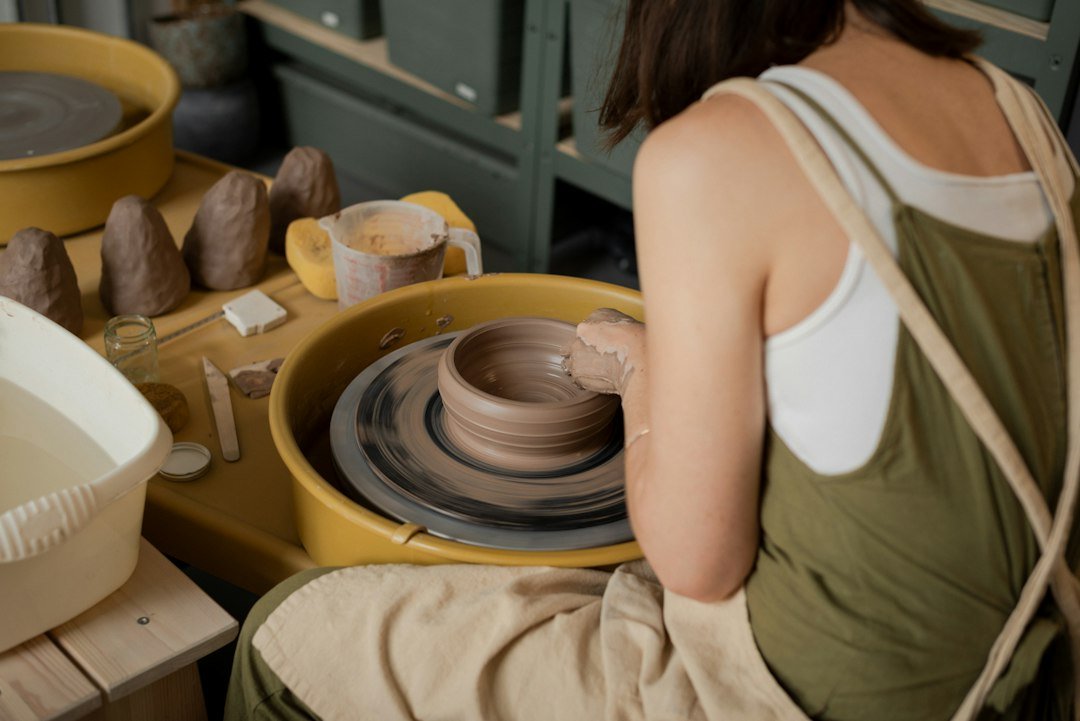
- Evidence of hand tools or hand-finishing—tool marks, hand-stitched hems, or patina applied by hand—can confirm authenticity when combined with good technique.
- Maker photos or short videos of the process are strong signals that the product is actually made by the seller rather than mass-produced.
Verify the maker and origin: transparency reduces risk
A maker’s story matters for authenticity and aftercare. Look for the following in listings or shop pages:
- Who made it: an individual artisan, a small studio, or a workshop? Individual names or team photos are preferable.
- Where it was made: country or region—this matters for expected materials, techniques, and sometimes ethical considerations.
- Production scale: “one-off,” “limited run,” or “made to order” tells you about uniqueness and lead time.
Practical attention points
- If a seller calls an item “handmade” but lists a factory address or ambiguous origin, ask for clarification.
- For ethically minded buyers, request information about labor practices or supply chains if it’s not listed.
Payment, returns, and guarantees: the consumer protections that matter
Handmade sellers sometimes operate on tight margins or offer made-to-order items—so clear payment and return policies matter for confidence.
- Return window: for made-to-order items, many sellers offer exchanges or store credit rather than refunds—decide whether that’s acceptable.
- Shipping clarity: know lead times and who pays for return shipping in case of damage.
- Repair or resizing options: for jewelry, good makers often offer repair or resizing; factor that into long-term value.
When to pay more: durability, rarity, or provenance justify higher prices
Price alone doesn’t confirm value. Spend more when one of these applies:
- Durability: high-quality metals and dense weave textiles that last years.
- Materials rarity: genuine gemstones, sustainably sourced wood, or vegetable-tanned leather.
- Provenance: pieces tied to a recognized artisan or traditional technique with documented origin.
When to be cautious: common red flags
- Vague material descriptions, no maker information, or stock photos that look mass-produced.
- Prices that are significantly lower than comparable handmade pieces—could indicate low-quality materials or outsourced production.
- No clear return policy or nonexistent customer service contact.
How to verify gemstones and vintage details when it matters
For gemstone jewelry or vintage finds, ask targeted questions: Are the stones natural or treated? Is the metal hallmarked? For high-value items, request a certificate or independent appraisal.
Where to use product recommendations
If you want an example of a reliably described handmade piece suitable as a durable gift or daily-wear item, consider a well-specified handmade jewelry item that includes material markings and a maker story. For handcrafted home accents, choose an object with clear material and care notes so it fits your intended display.
Small checks that save headaches at checkout
- Confirm the intended use and expected wear (daily, occasional, decorative).
- Check specific material labels and close-up photos of construction.
- Look for maker information, origin, and production scale.
- Read return, repair and shipping policies for made-to-order or fragile items.
- Ask targeted questions about gemstones, finishes, or care when unclear.
Focus on purpose first, then evaluate materials and craftsmanship. Transparent makers who publish clear origins, care instructions and fair return policies are usually worth the premium. That approach helps you buy items that feel special and stand the test of use.
How can I tell if a product is truly handmade?
Look for maker photos, process descriptions, and close-up images showing hand-finishing; also check for slight, intentional variations rather than identical factory-perfect parts.
Are higher prices always better for handmade goods?
Not always—higher prices can indicate better materials, rarity, or labor-intensive techniques, but compare material specifics and maker transparency to decide if the premium matches the value.
What questions should I ask a maker before buying?
Ask about materials (e.g., metal content, gemstone treatment), origin, care instructions, lead time, and whether repairs or resizing are offered.
How do returns work for made-to-order items?
Many makers offer exchanges or store credit rather than refunds; confirm timelines for production and shipment and who covers return shipping for defects.
Can I safely buy handmade jewelry as a gift without knowing ring size?
Yes—choose adjustable styles, open bands, or confirm whether the maker offers resizing; sellers often provide guidance for gift purchases.