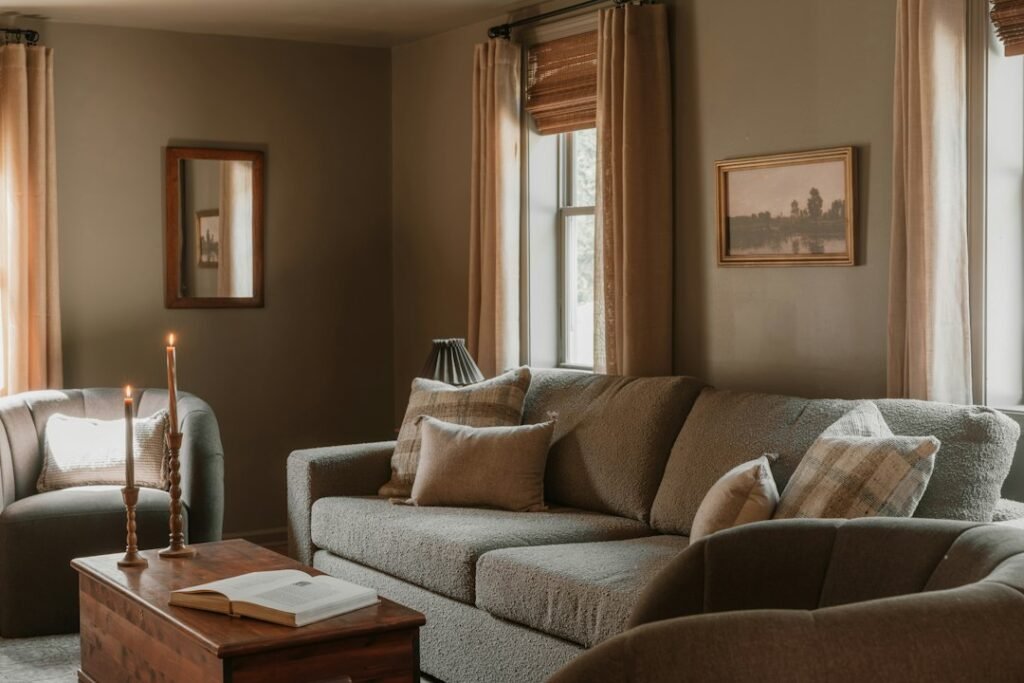
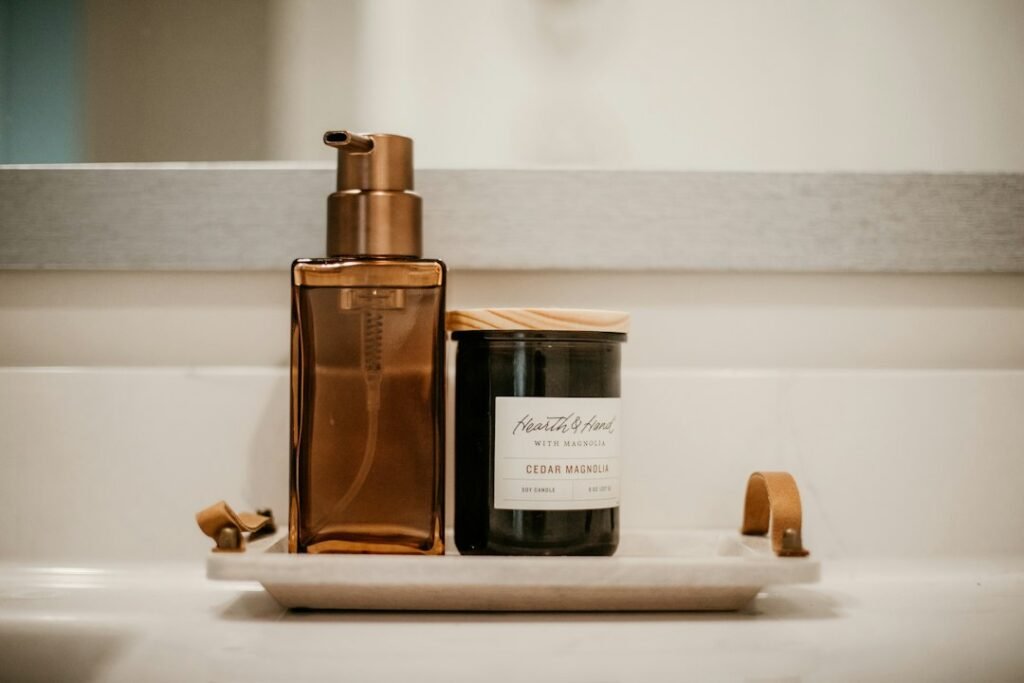
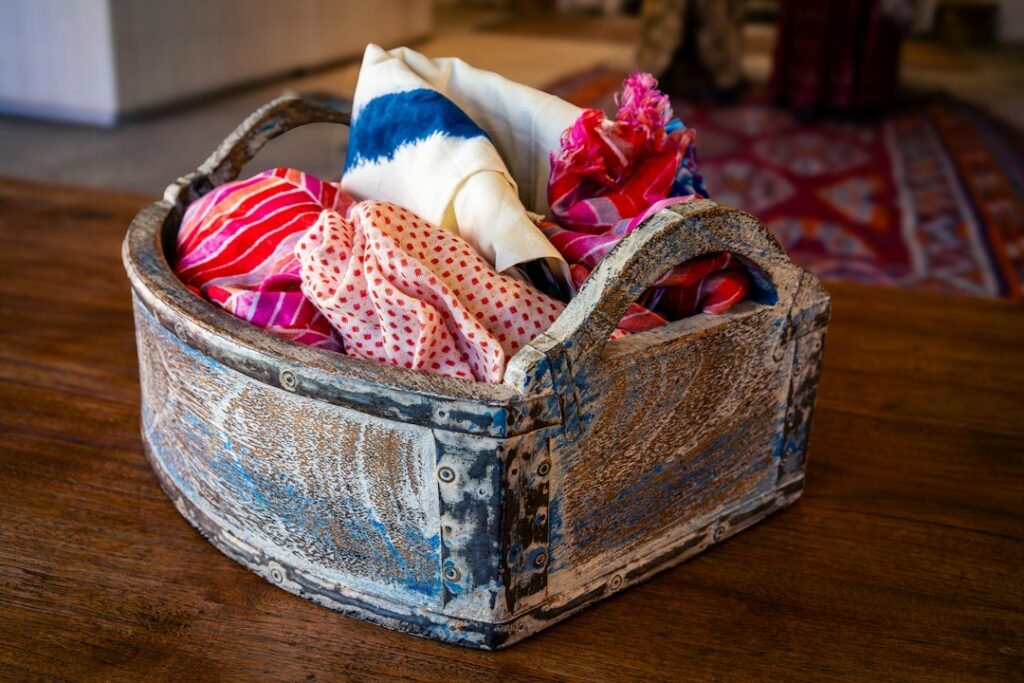
Start with what actually matters: the room’s visual needs
The quickest way to pick accents that make a room feel complete is to assess what’s missing visually. Is the space feeling too flat, too empty, or too chaotic? Decorative accents aren’t just ornaments—they correct balance, add scale, provide function and reinforce the room’s style.
Decide the primary job for your accents
Every successful accent serves one or more of these jobs. Choose pieces with a clear intent before selecting style or color.
- Anchor and add scale: Large-format accents (tall sculpture, sizable tray, floor vase) fill visual voids and stop the eye from skimming past.
- Create cohesion or a focal point: A coordinated group of objects or a single striking piece directs attention and ties materials together.
- Add texture and warmth: Textiles, wood or woven pieces counterbalance glass and metal-heavy rooms.
- Provide function: Decorative boxes and trays reduce clutter by disguising it; they look intentional while serving storage needs.
- Introduce rhythm and repetition: Sets (three vases, pair of candlesticks) create visual cadence that feels deliberate.
Assess scale and proportion before color
Scale is the most common mistake. Small accents on a large coffee table look lost; oversized pieces in a tiny room overwhelm. Use this quick proportional rule: an accent group on a surface should roughly occupy one-third to two-thirds of the surface’s length or depth, leaving breathing room.
On tall walls or empty corners, choose a vertical piece that fills at least half the height visually—short, wide objects rarely solve vertical emptiness.
Layering: how many objects and how to group them
Layering is about hierarchy—one anchor + two supporting pieces + one finishing detail is a practical formula:
- Anchor: the largest item (tray, sculpture, lamp).
- Supporting objects: medium items that echo a material, color or shape.
- Finishing detail: small object like a book, plant or bowl to add texture and scale contrast.
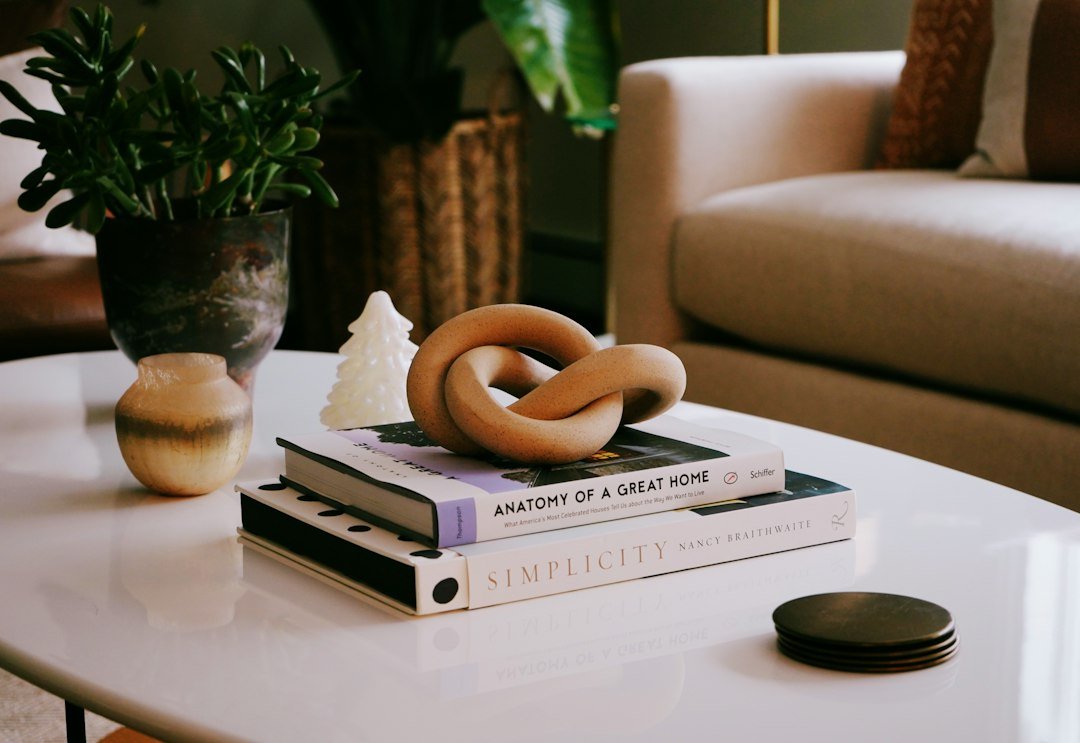
For grouped displays, use odd numbers (3 or 5) and stagger heights. Tilted books, stacked boxes, or a shallow tray help keep small items from looking fussy.
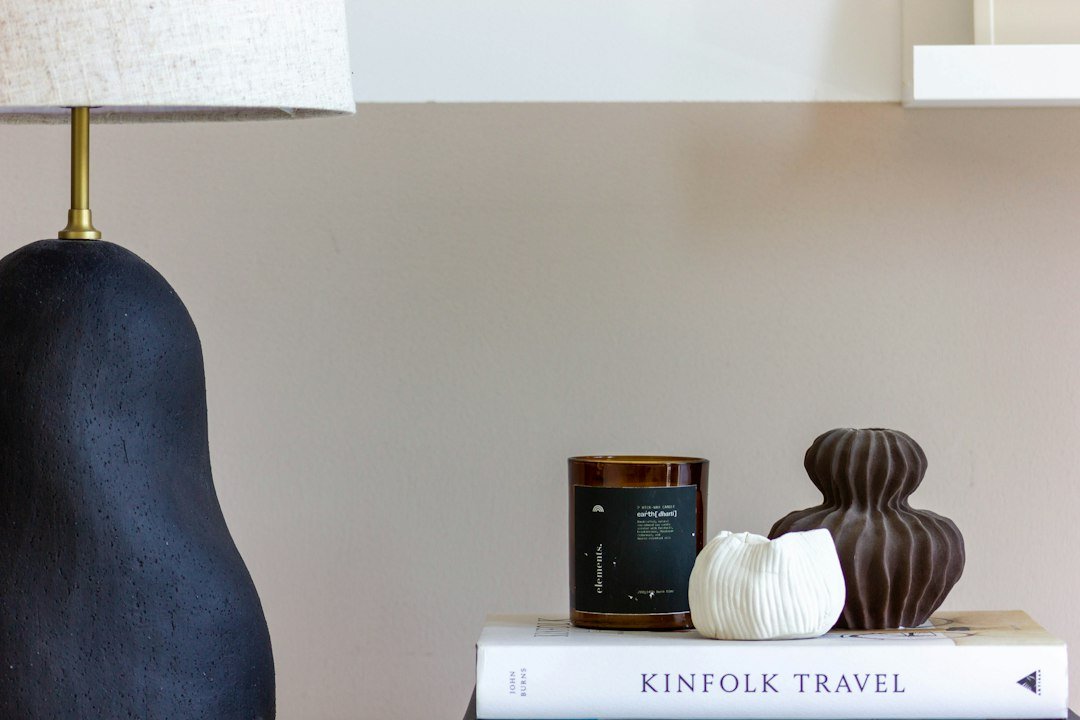
Choose materials that solve a design problem
Materials do heavy lifting. If the room is glossy and cool, add wood or woven accents to warm it. If you have too many heavy textures, introduce glass or metal to lighten the composition. Match finishes sparingly: repeat one finish (brass, matte black, raw wood) two or three times to create cohesion, then use a contrasting material once or twice for interest.
Color and pattern: subtlety over saturation
Use decorative accents to pick up existing palette colors rather than introduce a whole new scheme. Accent colors work best when they show up in three places across the room: one large, one medium and one small. For patterned accents (pillows, boxes), keep scale in mind—large patterns suit big surfaces; small repeats belong on small items.
Function-first accents that still look curated
If you need storage or utility, pick items that double as decor. Decorative storage boxes, trays and bowls tame clutter and look intentional. Choose pieces with good proportions and a tactile finish so they read as decor even when closed up.
Example: a shallow wooden tray groups remotes, coasters and a small succulent on a coffee table. It solves functionality while creating a neat visual anchor.
When to pick sculptural accents vs. practical pieces
Sculptural accents (statues, ceramic forms) are best when you need a focal point or to fill vertical space; they announce personality. Practical accents (trays, boxes) are better in active rooms—living rooms, entryways—where you need containment and surface order.
A balanced room often uses both: a sculptural object on a shelf and a tray on a table. Don’t force a sculpture where it competes with function—on kitchen counters, prioritize trays and attractive containers.
Lighting and placement: position for effect
Place accents where light can reveal texture and shadow. Sculptures and textured objects should be near natural light or directional lamps so you can appreciate depth. Reflective pieces need distance from direct glare to avoid visual noise.
Common mistakes and quick fixes
- Too many small items: swap several tiny objects for one medium tray or box.
- Accent overload: limit decorative groups to 1–2 surfaces per room to avoid cluttered feeling.
- Wrong scale: stand back—if an accent disappears from five feet away, it’s too small.
- Random materials: choose one repeated finish plus one contrasting material to keep the mix intentional.
Where to start shopping for purposeful accents
Look for trays, decorative boxes and sculptures that match the job you identified. If you need a grounding piece for a table, a wooden or marble tray is a simple, multipurpose choice. For small focal accents, consider a mid-sized statue or a set of ceramic vases in varied heights.
For a practical option that also styles a coffee table, consider the EOSAHR Pine Wood Decorative Tray—its warmth and shallow profile make it a versatile anchor for grouped objects.
- Identify the room’s main visual gap (scale, texture, cohesion, or function).
- Choose one dominant accent job before buying a piece.
- Check scale: group should cover ~1/3–2/3 of surface length.
- Repeat one material/finish at least twice; add one contrasting material.
- Limit decorative groups to 1–2 surfaces per room.
- Prefer odd-numbered groupings and staggered heights.
Decorative accents complete a room when chosen to address a specific visual need—scale, cohesion, texture or function. Start with that need, select materials and sizes that correct it, then layer thoughtfully so the result feels deliberate rather than cluttered.
How many decorative accents should I place in a room?
There’s no fixed number, but aim for 1–3 intentional groupings: a focal area, a functional surface, and a secondary shelf or console. Quality and purpose beat quantity.
Can I mix finishes like brass and chrome?
Yes—limit to one dominant finish and use the other sparingly as a contrasting accent to avoid a disjointed look.
What’s the best material for a living room accent?
Wood and woven textures warm a space; marble and metal add polish. Choose based on the room’s existing materials and the visual problem you’re solving.
Are decorative trays worth buying?
Yes—trays are highly versatile: they organize surfaces, create anchors, and make small items look curated. Pick a size that fits your table with room to spare.