Small details people miss that actually change how warm a room feels
When homeowners talk about making a space feel “warmer,” they often mean emotional warmth—comfort, welcome, relaxation—rather than temperature. To make your home feel warmer and more inviting, focus on three things together: light, texture, and human-scale arrangement. These are simple to adjust and usually low-cost.
Use layered, warm lighting to change the tone
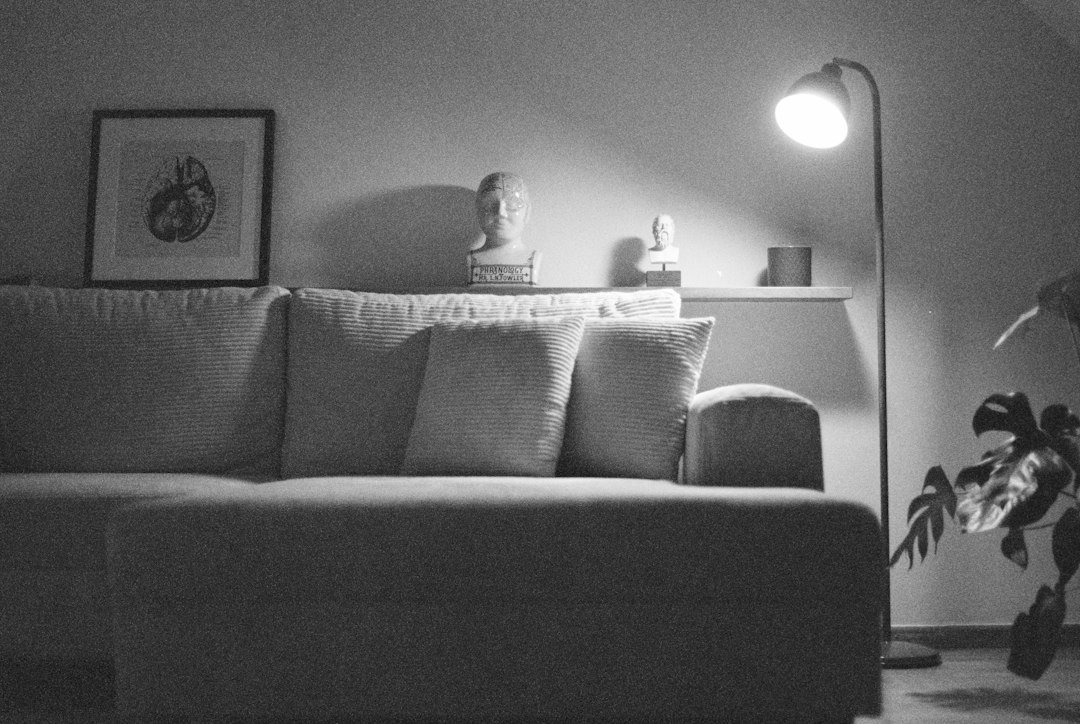
Bright overhead lighting reads as clinical. Swap a single harsh bulb for multiple lower-intensity sources: table lamps, floor lamps, and wall sconces. Choose bulbs labeled 2700K–3000K for a soft, warm glow. Place lamps at sitting height near seating and reading nooks so faces are lit softly rather than from above.
- Position a table lamp on the side of the sofa and a floor lamp beside an armchair to create pockets of light.
- Install dimmers on fixtures you use often—dimming immediately softens the room’s mood.
- Use opaque or fabric shades to diffuse light; glass or shiny shades produce sharper reflections that feel cooler.
Introduce tactile textiles for instant comfort
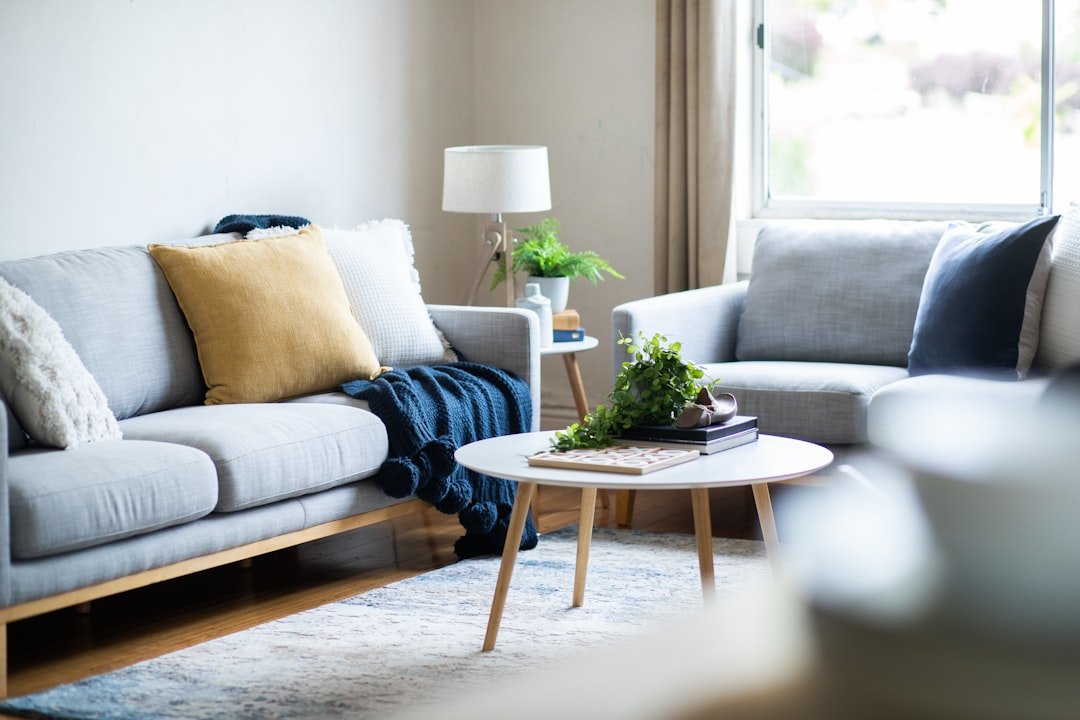
Textiles signal comfort visually and physically. Layer a soft throw over the back of a sofa, add 1–2 plush pillows with different textures, and place a textured runner or small area rug where feet land first (by the bed or entry).
Natural fibers—wool, cotton, linen blends—age well and add understated warmth. If you live in a small apartment, a single large throw and a rug near the main seating area will make a bigger impact than scatter cushions everywhere.
Soften hard surfaces and simplify visual clutter
Hard floors, glass tables, and lots of glossy surfaces reflect light and feel cooler. Soften by adding a runner or rug, using wood or matte trays, and grouping small items into intentional vignettes.
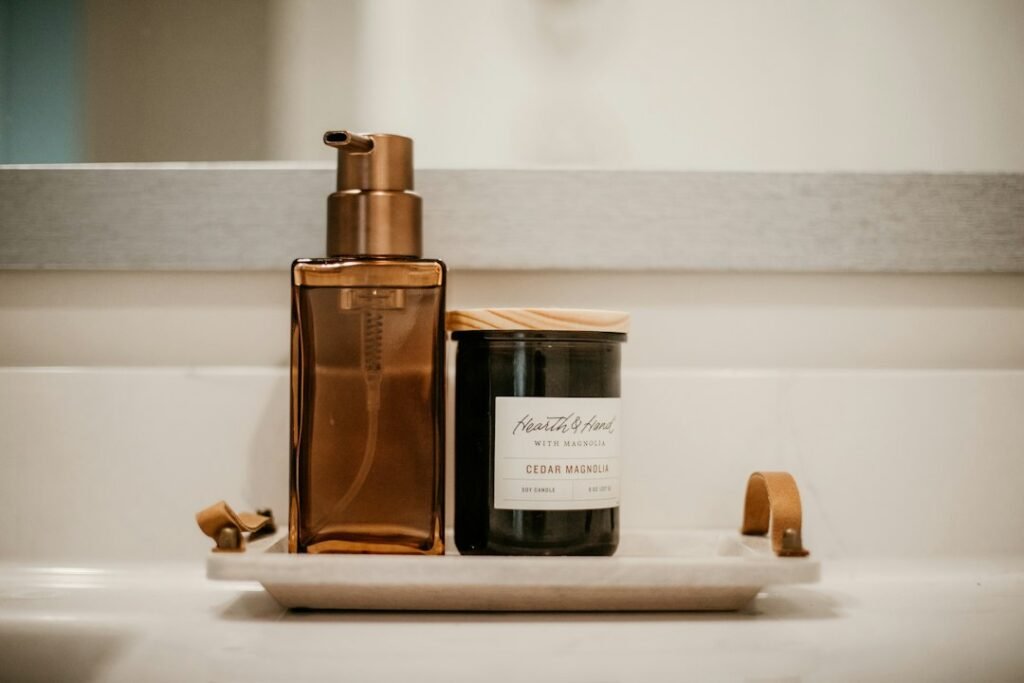
- Group three-to-five objects (a small plant, a book, a candle) on a tray to look curated rather than cluttered.
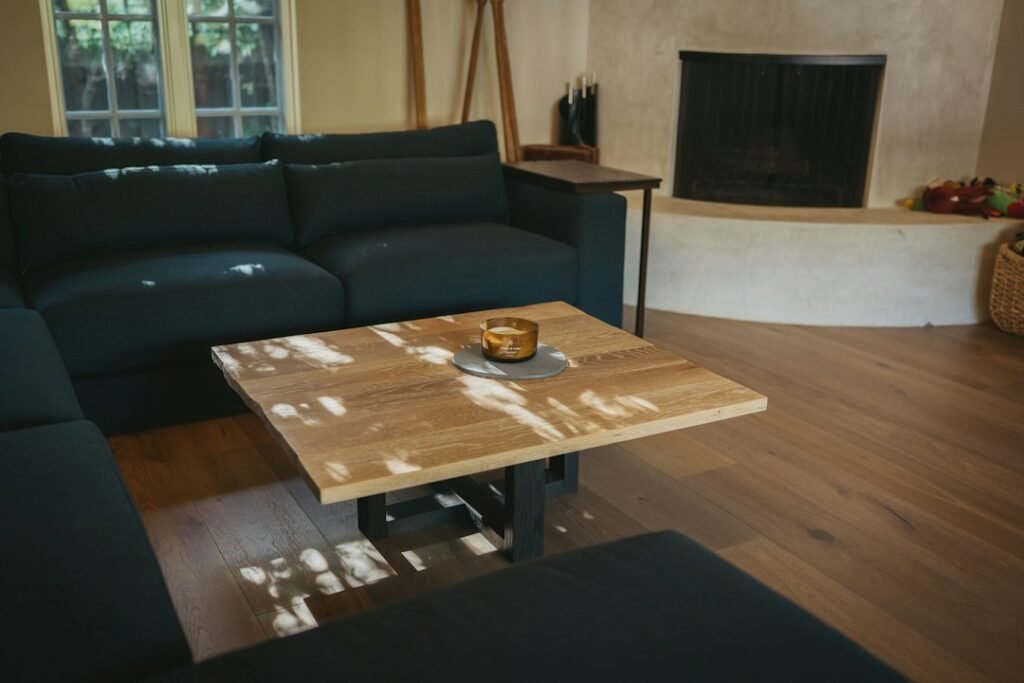
- Replace a bare coffee table with a wood or rattan tray to reduce glare and add texture.
- Limit large expanses of white or cool gray by introducing warm-toned accents—muted terracotta, warm beige, or deep navy with warm undertones.
Bring scent into the room thoughtfully
Smell is one of the fastest ways to shape a room’s mood. Choose a gentle, familiar scent—vanilla-amber, linen, or light wood notes—rather than overpowering perfumes. Diffusers and candles both work; reed diffusers are low-maintenance and steady, while candles add flicker and intimacy when used safely.
If you’d like a ready option, a reed diffuser with a clean, warm scent is an easy place to start because it provides continuous fragrance without flame. Place it on a sideboard or shelf, out of direct sunlight.
Arrange seating to encourage connection
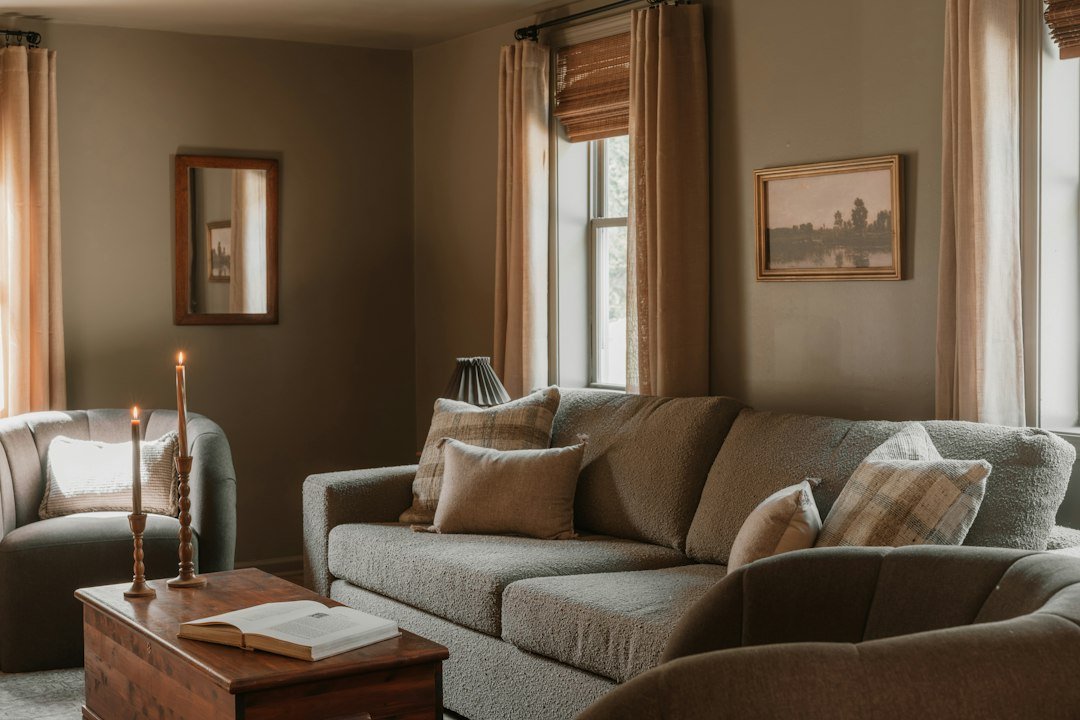
Rooms feel more inviting when layout encourages conversation. Move seating into a loose circle or L-shape rather than lining everything against the walls. Even shifting a single armchair to face the sofa creates a more intimate arrangement.
- Keep walking paths clear but shorten distances between seats—comfortable talking distance is about 6–10 feet across a room.
- Add a small side table between chairs so people can place drinks or books without reaching awkwardly.
Choose warm, layered color accents—no repaint required
You don’t need to paint to add warmth. Introduce warm tones through rugs, cushions, throws, and art. Look for colors with red, yellow, or brown undertones rather than pure cool blues or greens. Even a framed print with warm hues or a woven wall hanging can shift the emotional temperature.
Use plants and natural materials to add life
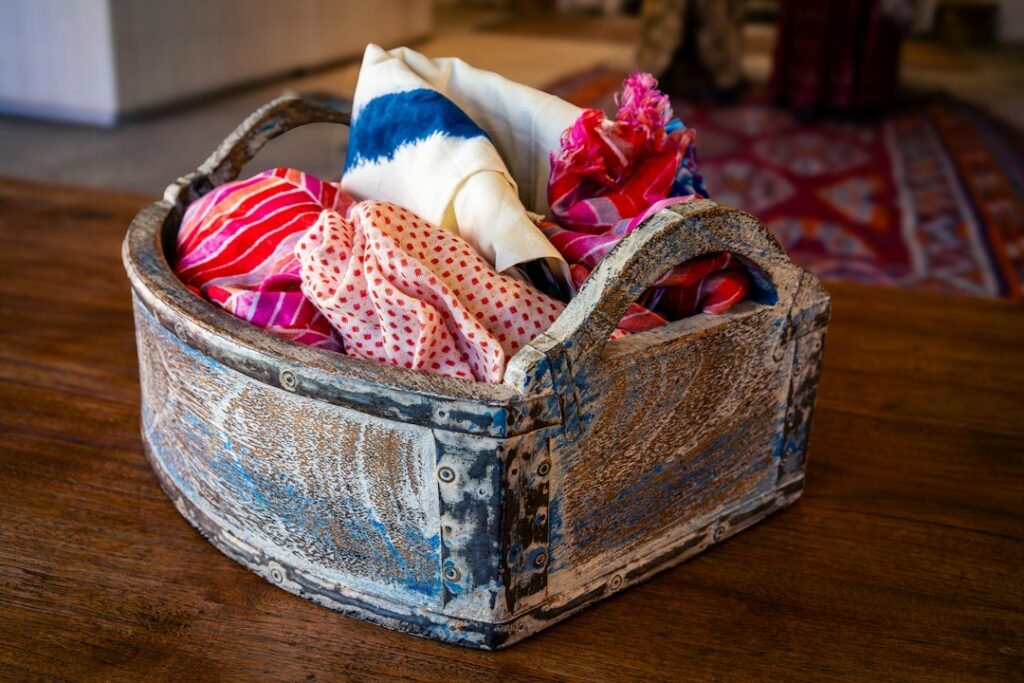
Plants add color, soften lines and bring a lived-in feel. Choose easy-care houseplants that suit your light conditions—snake plants for low light, pothos or philodendron for medium light. Natural materials like wood bowls, woven baskets, and stone coasters introduce subtle warmth and texture.
Make the entryway intentionally welcoming
The first few seconds of entering a home set the mood. Keep the entry uncluttered but personable: a small rug, a bowl for keys, a mirror to bounce light, and a scent source nearby. If space allows, add a bench with a cushion and a throw—inviting people to pause signals hospitality.
Practical accents that look warm without a big budget
Small purchases often have outsized impact: a warm-toned throw, a single well-made diffuser or candle, a lamp with a fabric shade, and one textured rug can transform a room. Prioritize the spot where you spend most time—living room or bedroom—and apply these changes there first.
Checklist for making a room feel warmer
- Replace overhead bulbs with 2700K–3000K lamps and add at least one table lamp.
- Add a soft throw and one textured pillow in a warm tone.
- Place an area rug where feet land first (entry or seating area).
- Introduce a gentle scent (reed diffuser or candle) in the main living space.
- Rearrange seating into a conversational layout with a small side table.
- Add a plant or natural-material object to soften surfaces.
Concentrate on light, texture, and arrangement—small layered changes produce the biggest difference. Begin with a warm bulb and one good textile, then add scent and readjust furniture to finalize the welcoming feel.
Will warm bulbs increase my heating bill?
No; changing bulb color temperature affects mood, not room temperature. Using lower-wattage lamps or LEDs can actually lower energy use compared with bright overheads.
How do I choose the right scent for my home?
Pick simple, familiar notes like vanilla, amber, linen, or light woody blends. Start with low-intensity options (reed diffusers) and test in small doses to avoid overwhelming the space.
Can small apartments benefit from these tips?
Yes—focus on one main living area. A single lamp, a rug, and one throw can transform a compact space without cluttering it.
Are there quick fixes for rental homes where I can’t paint?
Use textiles, removable wall hangings, framed art leaned against the wall, and warm lighting—these change the feel without altering the structure.