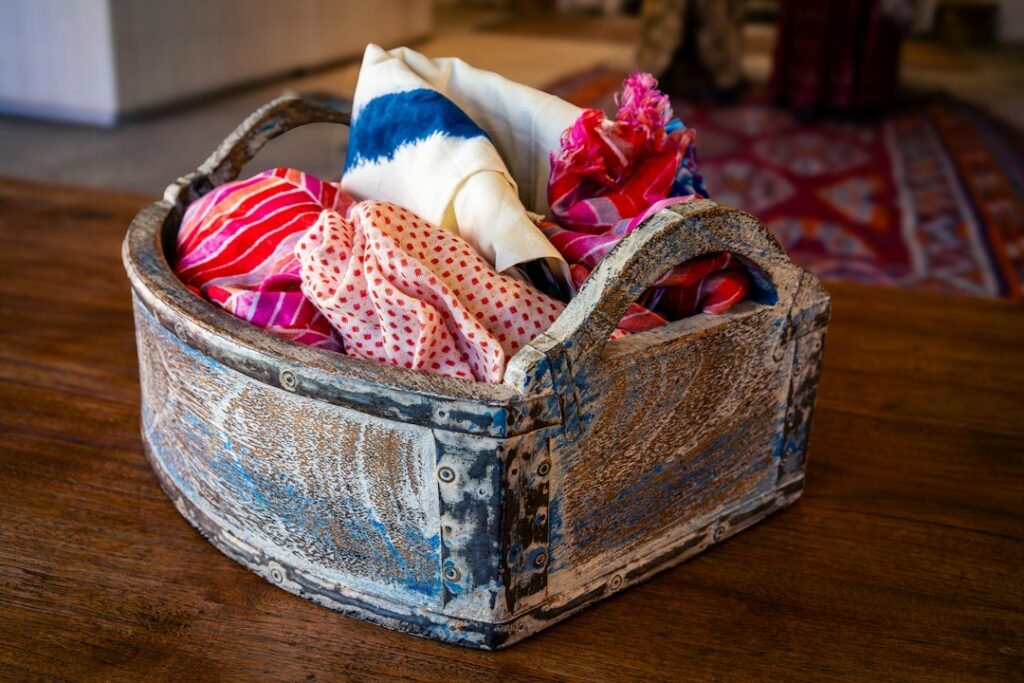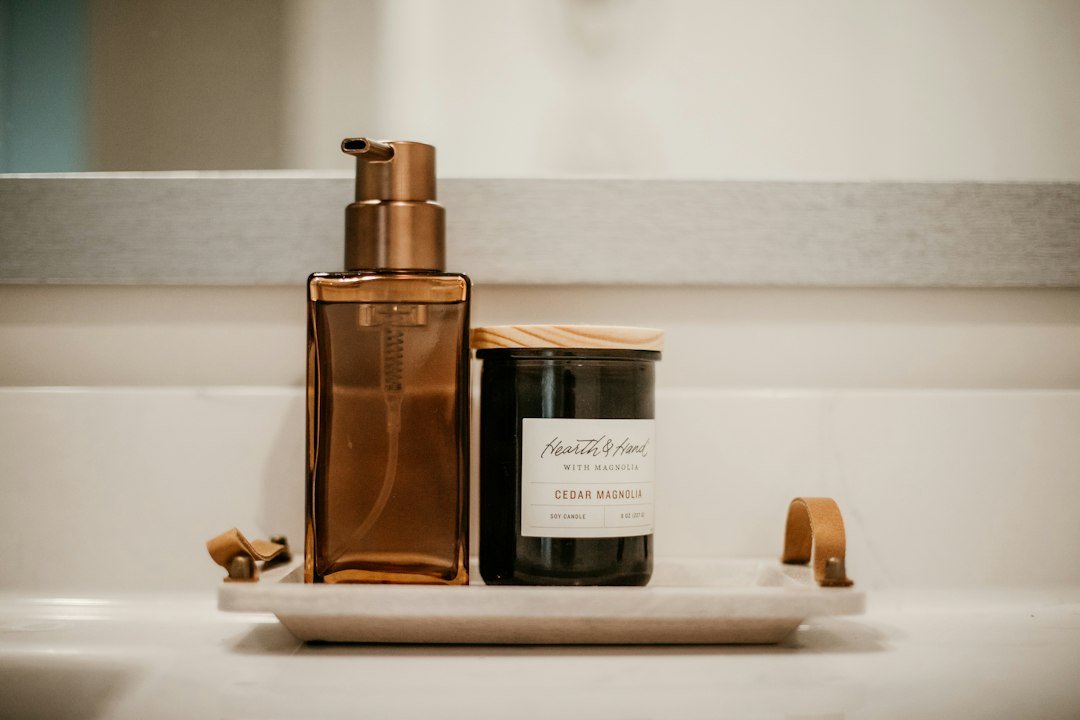
Start by picturing a small, beautiful finish to every day
Before you chase big routines, imagine how one small, consistent end result would feel: a tidy morning counter, a favorite scent as you sit with coffee, or a gentle ritual before bed. This article shows how to create a more beautiful everyday routine with small lifestyle upgrades that are easy to adopt and keep.
What "beautiful" means for your everyday routine
Beauty in a routine is practical and sensory: fewer frictions, pleasant textures and smells, clear choices, and tiny moments that feel intentionally crafted. Decide the one outcome you want—calmer mornings, a less cluttered vanity, or a more restful night—and use that as your organizing principle.
Choose three focus areas and one measurable change for each
Pick three places where small upgrades will have outsized effects. Examples: morning prep, workspace, and evening wind-down. For each, choose a single measurable change you can try for two weeks (e.g., "clear my vanity surface each night," "always set out tomorrow's outfit," "turn off screens 30 minutes before bed").
Morning: simplify and add a sensory anchor
First make decision points vanish: keep one outfit ready, limit morning choices to two coffee options, or pre-bundle keys and wallet. Then add a sensory anchor that signals "start." That could be a linen hand towel, a scented hand cream, or a playlist you play only in the morning.
Practical steps:
- Clear one surface: limit items on your vanity to 3–5 visible objects—soap, hand cream, a mirror, a small vase.
- Use texture: replace a scratchy towel with a soft linen or Turkish towel you enjoy touching.
- Make scent intentional: pick a single morning scent (citrus or verbena) and use it consistently to cue alertness.
Workspace: reduce visual noise and add a single beautiful object
Clutter steals attention. Keep only immediate work tools on your desk and corral the rest in a clear organizer or decorative box. Add one object that lifts your mood—a small plant, a favorite mug, or a simple brass paperweight.
Troubleshoot: if you binge-collect items "in case," switch to a 48-hour rule: anything left out for more than 48 hours either goes into storage or out of the room.

Evening: design a short wind-down that's actually doable
Stop treating evening rituals like long ceremonies. Pick a 10–20 minute routine that signals rest: dim lights, hydrate, apply a nourishing hand cream, and read one chapter or a poem. The physical cues—soft light, a gentle scent, a smooth lotion—make the brain associate these actions with relaxation.
Practical steps:
- Create a bedside micro-station: water carafe, book, and a small dish for jewelry.
- Swap harsh overhead light for a warm bedside lamp or string light.
- Choose one product to make the ritual feel special—your go-to hand cream or a rich lip balm.
Small sensory upgrades that matter most
Scent, texture, light, and sound are quick wins. You don’t need every upgrade—pick one or two that match your preferences:
- Scent: a single essential oil or a light hand cream scent used in morning or evening to anchor the routine.
- Texture: smooth ceramic mug, soft towel, or a silk pillowcase where your face rests.
- Light: warm bulbs with a dimmer or a dedicated reading lamp.
- Sound: a 3–5 minute playlist or a short guided breath practice.
Organizational tweaks that keep beauty lasting
Beauty fades quickly if small tasks pile up. Add micro-habits that maintain the upgrades:
- Two-minute nightly reset: clear counters, put products back in organizers, fold a towel.
- Weekly refresh: replace a sprig of greenery, wipe surfaces, or rotate a candle.
- One-in, one-out rule for new small items to prevent clutter accumulation.
Product suggestion to support your new routines
If a simple, ready-made kit helps you stick to a sensory upgrade—especially for evening self-care—a curated spa set gives you consistent textures and scents without extra choices. For most readers the best fit is the Rank #1 option, a natural-ingredient spa gift set that offers complementary lotions and bath items for daily use.
How to adapt these upgrades for small spaces or tight budgets
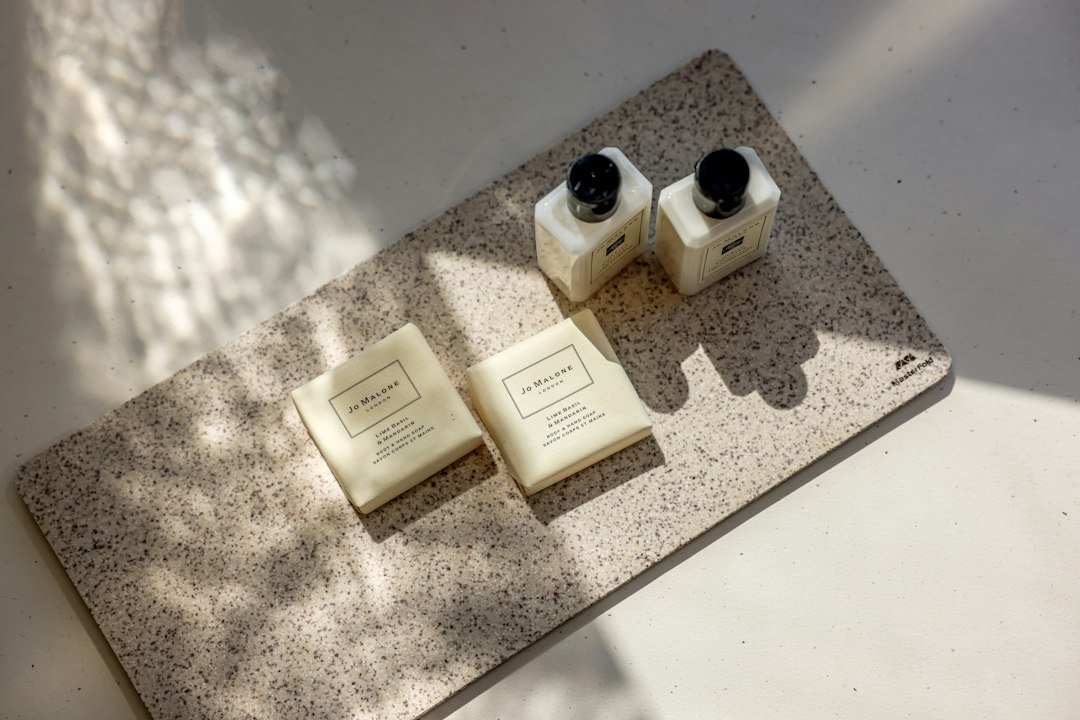
Small spaces: use vertical storage and clear organizers so the beautiful bits can be displayed without crowding. A single tray can make limited surface area look intentional.
Tight budgets: prioritize tactile upgrades (a soft towel or a ceramic mug) and sensory anchors you can control—your favorite tea, a playlist, or a single essential oil—rather than many new products.
Quick troubleshooting
- Nothing stuck? Reduce the scope: try a 5-minute morning prep instead of a 20-minute ritual.
- Too many items still out? Enforce the 48-hour rule and store duplicates off-sight.
- Scent is overwhelming? Dilute or switch to unscented products and rely on texture and light instead.
Next steps you can do tonight
Pick one focus area, choose one measurable change, and set a two-week test. Lay out one item (a hand cream, a towel, or a plant) that will be your sensory anchor. After two weeks, assess: does it consistently make your day feel better? If yes, keep it; if no, tweak and retest.
- Choose one desired end result (calmer morning, restful night, neater vanity).
- Select three focus areas and one measurable change for each.
- Pick one sensory anchor (scent, texture, light, or sound).
- Set a two-week trial and a nightly two-minute reset.
- Acquire one helpful product or organizer to reduce decision fatigue.
Small, repeatable upgrades—fewer decisions, one sensory anchor, and a tiny nightly reset—are the fastest route to a genuinely more beautiful everyday. Start with one change, test it for two weeks, and build outward only when it feels effortless.
How long before an upgrade feels natural?
Give a single change two weeks; micro-habits often become automatic after about 10–14 days if practiced consistently.
What if I don’t like scented products?
Use texture and light as anchors instead: soft towels, smooth surfaces, warm lamps, and consistent actions like a 3-minute reading period.
Can these upgrades help productivity as well as mood?
Yes—reducing visual clutter and decision points frees mental bandwidth, so you’ll often feel both calmer and more focused.
Which product should I buy first?
Start with an item you’ll use daily—a hand cream, a bedside lamp, or a clear organizer—to make the new behavior easier to maintain.