What matters — and what you can safely ignore
When choosing gemstone jewelry, prioritize three things: the stone's durability for how you’ll wear it, whether you genuinely like the color and feel, and the setting quality. You can ignore marketing jargon (words like “energy” or vague rarity claims) unless they matter personally. Price per carat is helpful for diamonds but misleading for many colored stones; focus on fit and finish instead.
Quick answer: choose by lifestyle, color, and setting
If you want the shortest decision rule: pick a durable stone for everyday wear, a color that complements your wardrobe or skin tone, and a secure setting that matches your activity level. For occasional pieces, go freer with softer or rarer stones. For daily rings and bracelets, choose stones rated 7+ on the Mohs scale (sapphire, ruby, topaz, garnet, quartz). Use the focus keyphrase choosing gemstone jewelry when comparing options so you keep those priorities in view.
How to match stones to how you’ll wear them
Think about daily exposure: hands get knocks, necklaces get pulled, earrings face oils and hair products. Below are practical pairings.
- Everyday rings and bracelets: Sapphire, ruby, and quartz-family stones (amethyst, citrine) are good; they resist scratches and handle light wear.
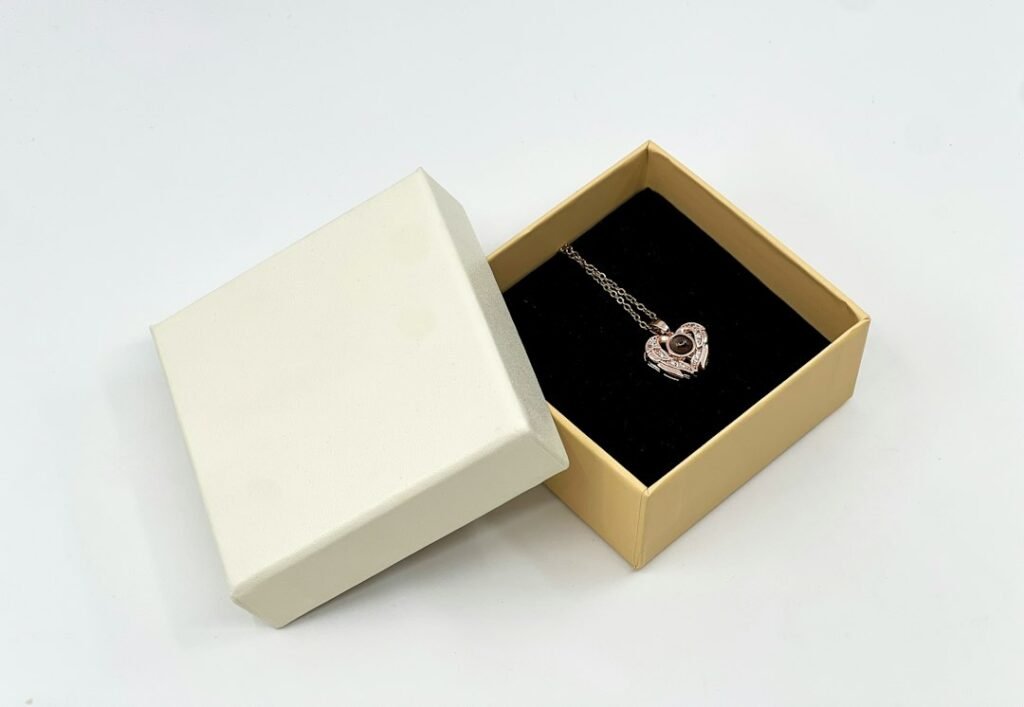
- Necklaces and pendants: Softer stones like opal or moonstone can work well here if the pendant is protected by a bezel or worn for occasional use.
- Earrings: Backed studs with diamonds, sapphires, or pearls work; pearls need more care and are better for occasional wear.
- Statement pieces: Big, fragile specimens (emeralds with inclusions, carved stones) are fine as occasional showpieces.
Choosing a stone by color and personal style
Color choice is personal but a few rules simplify decisions. Cool skin tones often suit blue and green stones; warm skin tones pair with yellow, orange and red tones. If you wear mostly neutrals, choose a single accent color that appears in several outfits. For multi-stone pieces, prioritize harmony—either matching tones (all cool or all warm) or a deliberate contrast (e.g., deep blue sapphire with warm gold).
Settings and metal: protection, style, and maintenance
Settings matter as much as the stone. Prong settings show more stone but expose edges—choose them for hard stones you’ll wear often. Bezel settings cradle the stone and add protection for softer or fractured gems. Channel or halo settings can raise presence; secure clasps and solid links prevent loss for bracelets and necklaces.
Metal choice
Gold (14k/18k), platinum and sterling silver each have trade-offs: platinum is durable and low-allergy but pricier; 14k gold balances durability with gold content; silver is affordable but tarnishes and softens faster. Match metal color to the stone—yellow gold warms red/orange gems, white metals suit blues and pale stones.
Natural vs treated stones and why it matters
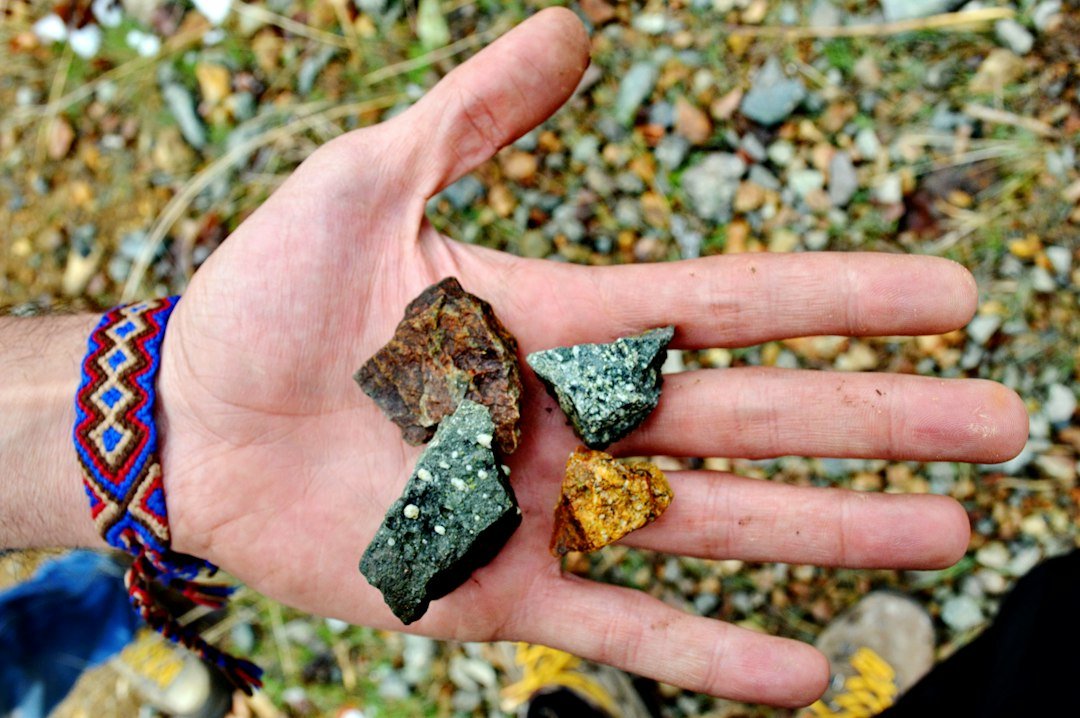
Many stones are heat-treated, oiled, or dyed to improve color and clarity. Treatments aren’t inherently bad, but they affect value and care. An oiled emerald, for example, will need gentler cleaning. Ask the seller what treatments exist and whether the piece has a disclosure certificate. For significant purchases, request a lab report for identity and treatments.
Real-world checks to do before buying
- Ask for a close-up photo or view the stone under magnification to see chips, cracks or heavy surface-reaching inclusions.
- Confirm the metal stamp (e.g., 14K, PLAT, 925) and examine clasp/security.
- Know return policy and any warranty on settings or stone loss.
- Test the weight and feel—well-made jewelry sits comfortably and clasp action feels smooth.
When a product helps: a recommended everyday bracelet
If you want a versatile first gemstone piece to wear daily, a well-made beaded bracelet of mixed durable stones or a single-stone bracelet with secure clasp is a practical starter. For a reliable option from our catalog, consider a top-ranked gemstone bracelet that balances natural stones with durable construction.
Simple care so your gemstones last
General care rules: keep gemstones away from harsh chemicals, remove jewelry for heavy chores and exercise, and store pieces separately to avoid abrasion. Clean most hard stones with warm soapy water and a soft brush; avoid steam or ultrasonic cleaning for oiled or fracture-filled gems. For delicate stones like opal or turquoise, use a soft cloth and avoid prolonged water or heat exposure.
Budget realities and prioritizing spend
Decide what you want the piece to do: showcase rare color, be an everyday heirloom, or a seasonal fashion item. Spend more on metal and setting if the piece will be worn daily; spend more on the stone if the piece is a showpiece. Colored stones often offer better color-per-dollar than diamonds—if color matters, you can get dramatic looks for modest budgets.
Questions to ask the seller right now
- Is the stone natural, synthetic, or treated? Please describe treatments.
- What is the metal type and stamp?
- What is your return or repair policy?
- Can you provide close-up photos and measurements or a certificate for the stone?
- Decide how often you’ll wear the piece (daily, occasional, statement).
- Check stone durability (Mohs scale 7+ for everyday rings/bracelets).
- Inspect setting type—bezel for protection, prongs for visibility.
- Ask about treatments and request photos or a certification for significant purchases.
- Confirm metal stamp, clasp security and the seller’s return policy.
Choosing gemstone jewelry comes down to matching durability, color preference and setting to your lifestyle. Favor protective settings for softer stones, verify treatments, and invest in metal and craftsmanship for pieces you’ll wear daily.
How do I know if a gemstone is durable enough for everyday wear?
Check the Mohs hardness: stones rated 7 or higher (sapphire, ruby, quartz) are generally safe for daily rings and bracelets; also consider stone toughness and setting protection.
Are treated gemstones a bad choice?
Treated stones are common; treatments improve appearance but can affect care and value. Ask for disclosure and choose based on how you’ll wear the piece.
Should I buy bezel or prong settings?
Choose bezel settings for protection and prongs to maximize visible stone area; pick bezel for softer or included gems and prongs for hard, durable stones.
How should I clean gemstone jewelry at home?
Use warm soapy water and a soft brush for most hard stones; avoid ultrasonic or steam cleaning for oiled or fragile gems and use a soft cloth for porous stones.
What paperwork should I get with a higher-value gemstone?
Request a lab report for identity and treatments (e.g., GIA, AGS) and a written warranty for setting and clasp issues.