Layering necklaces can transform a simple outfit, but it’s easy to end up with a cluttered look. The goal is an intentional, readable arrangement: distinct layers that work together rather than compete. Below is a practical, step-by-step method to get that result every time.
Picture the finished arrangement before you pick a single chain
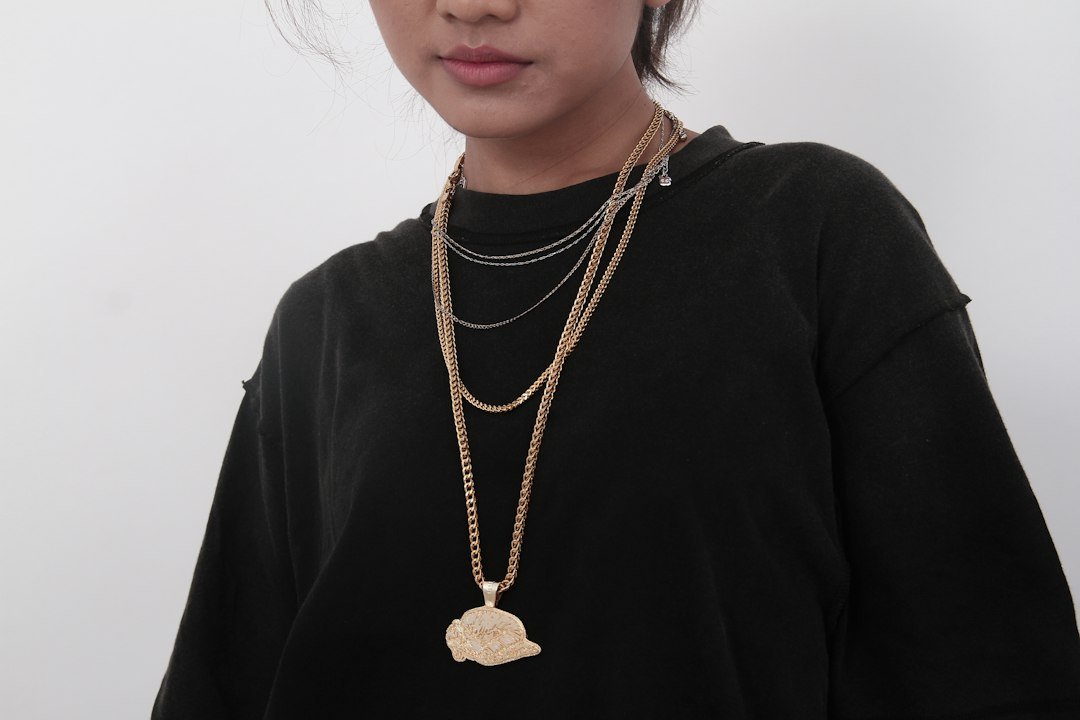
Start by imagining 2–4 visible strands that read separately: a short piece near the collarbone, a mid-length focal layer, and an optional long chain that falls below the bust or onto the top’s fabric. When you can name the visual roles—choker, pendant, long chain—you’ll avoid random piling that feels busy.
Choose a clear anchor piece and support it
Decide which necklace will be the anchor—the one that draws the eye. Anchors are usually a pendant, a sculptural link, or a stone. Once chosen, pick supporting pieces that are simpler: thin chains, delicate chokers, or tiny bead strands. The anchor should be the most detailed or largest element; the others should frame it.
Vary lengths and keep consistent spacing
Use staggered lengths so each layer sits in its own visual zone. Common spacing: 14–16" for a choker/collarbone, 18–20" for a pendant, and 24–30" for a longer chain. If you’re working from existing pieces, lay them out and measure approximate gaps—aim for at least 1–2 inches between visible pendants so they don’t touch.
Mix textures and weights, not volumes
Contrast chain types—thin cable or snake chains with a chunkier curb or paperclip—but keep most pieces relatively light. Two heavy, wide chains will compete; one bold chain plus two slim layers is more balanced. If your anchor has a heavy pendant, counterbalance with dainty chains rather than another heavy pendant.
Mind metal tone and color balance
Either stick with one metal for a cohesive look or intentionally mix two metals (for example, gold and silver) with a rule: have one dominant metal and one accent. For gemstone accents, repeat the same color in at least two places (a pendant and a bead on another chain) to create visual harmony.
Match necklaces to the neckline you’re wearing
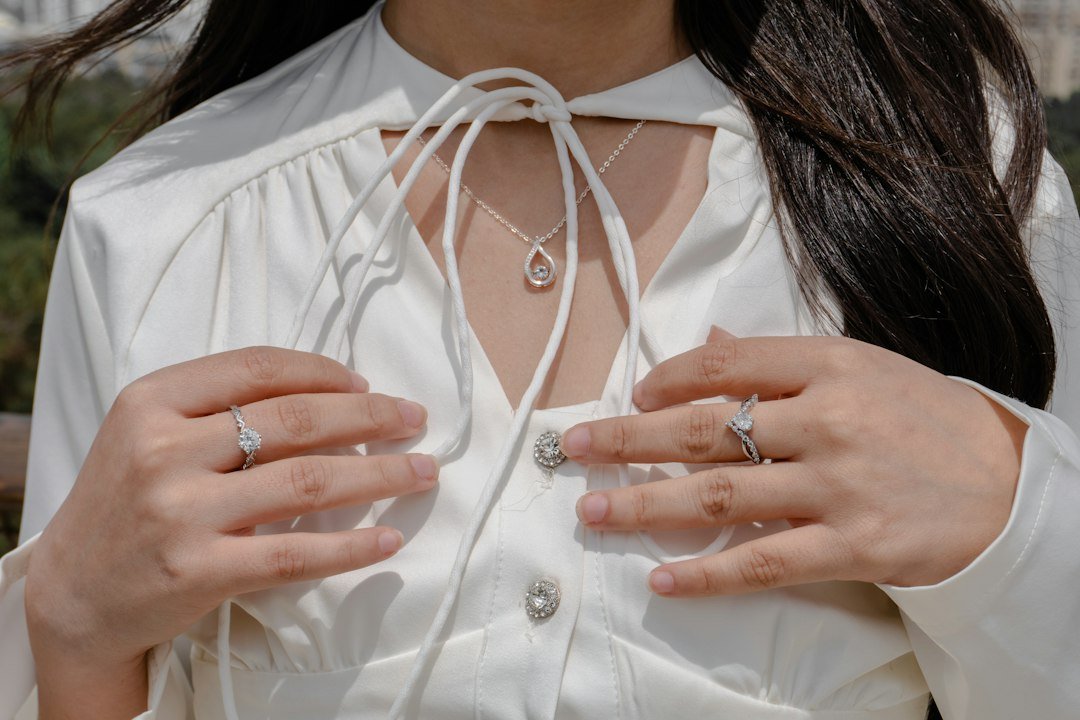
Let the top guide the layering. For crew or high necks, use short chokers and a mid-length layer that sits against the fabric; avoid long chains that disappear. V-necks pair well with a short choker and a pendant that falls into the V. Scoop or off-shoulder tops can carry longer, more dramatic chains.
Use hardware strategically to prevent tangles
Small fixes go a long way: clasps with tiny extenders let you nudge lengths by an inch; a simple ring spacer can keep chains separated. When layering multiple necklaces, hook the shortest clasp into the next chain’s link and fasten them together so they move as one—this reduces twisting and improves alignment.
Practical assembly process to follow before leaving the house
- Pick your anchor piece first.
- Choose 1–2 supporting chains that differ in length and texture from the anchor.
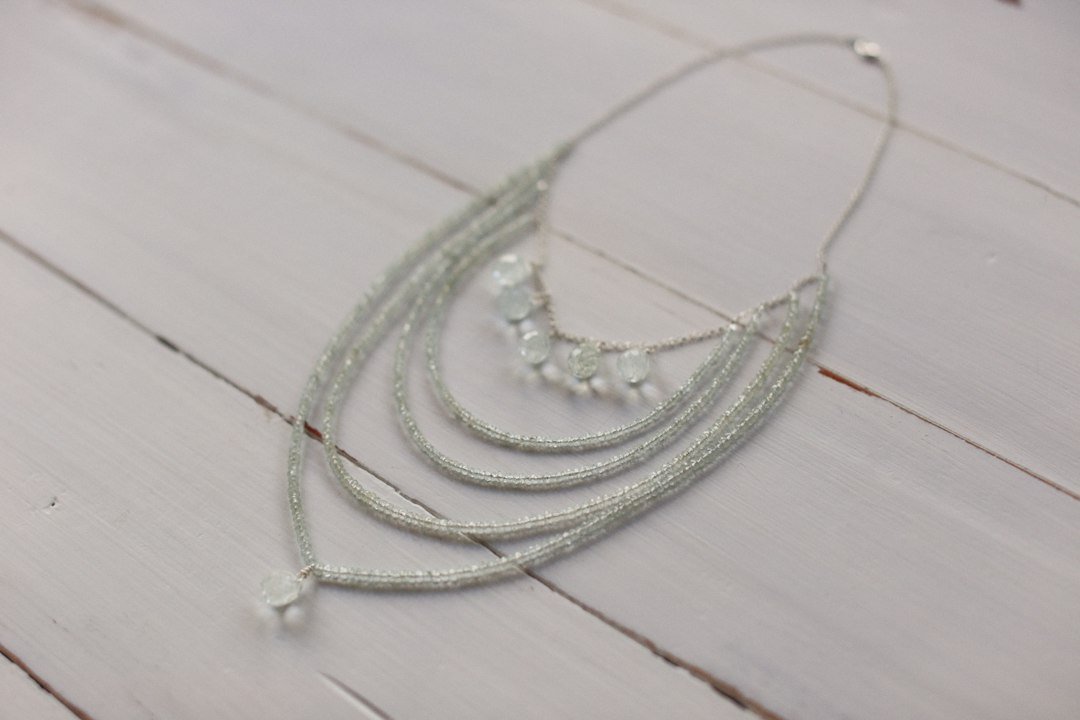
- Lay them flat and visually confirm even spacing (1–2" gaps between pendants or focal points).
- Fasten shortest to next chain if tangling is likely, or use a double-clasp connector.
- Try on with the actual outfit—adjust small extenders to perfect spacing.
When to keep it to two pieces instead of three
If you’re wearing patterned clothing, a statement collar, or multiple other accessories, stop at two necklaces: a choker or collar layer plus an anchor pendant. Two well-chosen pieces read cleaner than three competing ones and give breathing room to the rest of your look.
Recommended for readers who want a ready-made layered look: a triple-layer long statement necklace offers pre-balanced spacing and mixed textures so you can skip the trial-and-error and still achieve a tidy, intentional stack.
Troubleshooting common problems
Necklaces look jumbled when you move
Use a small jewelry clip or slide the clasps together so the chains move as a unit; a thin silicone necklace spacer can also keep chains parallel.
Pendants keep overlapping
Shift one piece by 1–2" using an extender or swap a supporting chain for a shorter or longer one until the pendants sit independently.
Mixed metals feel discordant
Introduce a unifying small element—like a tiny gold bead on a silver chain—or choose a neutral anchor (pearls, mother-of-pearl, or a clear stone) that reads well with both metals.
- Pick one clear anchor necklace as your focal point.
- Limit total visible layers to 2–4 depending on outfit and jewelry scale.
- Vary lengths so each piece sits in its own zone.
- Mix one textured or heavier chain with mostly thin chains.
- Use extenders or clasp-together technique to prevent tangles.
- Match layer choice to the neckline of your top.
Layering necklaces looks intentional when you plan roles (anchor + supports), vary lengths, and control texture and metal balance. Small hardware tricks keep the arrangement tidy through movement, so your layered look reads as a single styled statement.
How many necklaces should I layer without it looking busy?
Two to three is a safe range for most outfits; reserve four only when pieces are small and the outfit is simple. The key is distinct spacing and a clear focal piece.
Can I mix metals when layering necklaces?
Yes—mix metals deliberately by choosing one dominant metal and using the other as an accent, or add a neutral anchor like a pearl to bridge tones.
What chain lengths work best for layering?
Common combos include 14–16" (choker), 18" (pendant), and 24–30" (long chain); adjust by body size and neckline to maintain 1–2" visible gaps between layers.
How do I stop necklaces from tangling?
Fasten short chains to longer ones so they move together, use small spacers or silicone collars, and store layered sets separately to preserve their shape.