Quick answer: choose earrings that visually balance your face
Pick earrings that counterbalance your face’s dominant lines: for round faces, go for length and angles; for square faces, soften with curves; for heart-shaped faces, add weight at the jawline; for long faces, pick width and short styles; oval faces can wear most styles. The most important factors are earring length, shape and visual weight relative to your jawline and cheekbones—not the metal or trend.
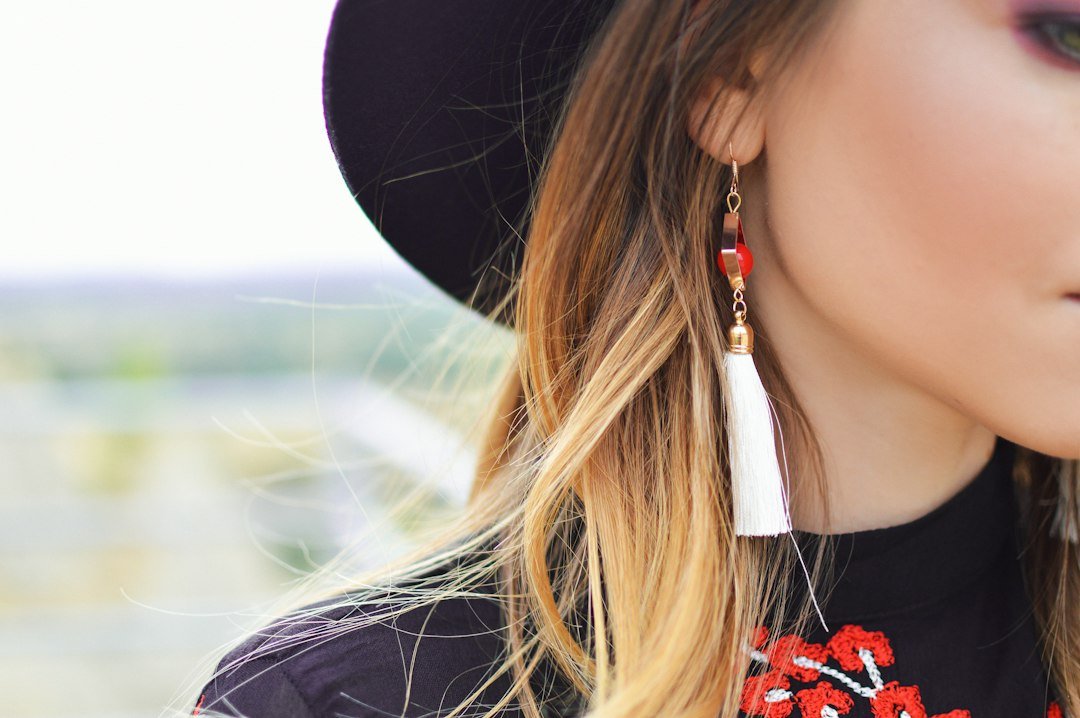
What actually matters when choosing earrings
Before specific recommendations, understand three simple principles that determine whether a pair flatters your face:
- Balance—Earrings should add visual weight where your face needs it (chin, sides, forehead) to create harmony.
- Contrast of lines—Soften sharp features with rounded earrings; add angles to round faces with geometric or elongated shapes.
- Proportion and scale—Match earring size to your bone structure and hairstyle: delicate studs can disappear on a broad face; oversized chandeliers can overwhelm a small frame.
How to determine your face shape quickly
Stand in front of a mirror, pull hair back and notice these landmarks: forehead width, cheekbone width, jawline shape and overall length. Common categories are round, oval, square (or angular), heart (wider forehead, narrow chin) and long (rectangular).
Earrings that work best by face shape
Round faces: elongate and add angles
Goal: make the face appear longer and less circular.
- Best: long dangles, teardrops, linear drops and narrow chandeliers—they create vertical lines.
- Also good: geometric shapes (rectangles, slim bars) and medium-to-large hoops that sit below the jawline.
- Avoid: tiny studs only at the lobe and short, wide hoops that emphasize width.

Square or angular faces: soften the jawline
Goal: soften strong angles and add gentle curves.
- Best: rounded shapes—hoops, circular drops, soft teardrops, and oval studs.
- Also good: dangles with curved lines that land below the jaw to draw the eye downward.
- Avoid: overly angular studs or boxy shapes that emphasize the jaw’s straight lines.
Heart-shaped faces: add weight near the jaw
Goal: balance a wider forehead with the narrower chin.
- Best: wider bottoms—teardrops, chandelier earrings, or clustered dangles that broaden the lower face.
- Also good: short, wide hoops and statement studs placed slightly below the earlobe.
- Avoid: top-heavy styles that accentuate the forehead, like very wide studs at the upper lobe.
Long (rectangular) faces: create width and break vertical lines
Goal: shorten the perceived length of the face.
- Best: wide hoops, circular studs, and short drop earrings that add horizontal emphasis.
- Also good: multi-tiered cluster studs and ear cuffs that broaden the mid-face area.
- Avoid: very long dangles that make the face look longer.
Oval faces: versatile, focus on personal style
Goal: take advantage of balanced proportions—most shapes work.
- Best: anything from studs to dramatic chandeliers; choose based on necklines, hairstyle and occasion.
- Considerations: if you have prominent cheekbones, delicate drops highlight them; if you prefer subtlety, classic studs or small hoops are reliable.
When occasion and hairstyle change the rules
Match earrings to the event and your hair. If hair is up, longer or more detailed earrings show better; with hair down, consider hoops or studs that peek through. For formal events, larger statement pieces can balance bold necklines; for everyday wear, pick comfortable sizes and secure backs.
Metal, color and gemstones: secondary but meaningful
These choices don’t alter balance, but they affect harmony with skin tone and wardrobe. Warm skin tones often suit gold and warm-toned stones; cool tones pair well with silver and cooler stones. If uncertain, neutral metals (sterling silver, white gold) are versatile. For added impact, match earring color to a dominant color in your outfit or eye color for cohesion.
Practical fit and comfort checks before buying
- Weight: heavier earrings can droop and change how they sit—try them on for at least a minute to feel the pull.
- Back type: secure backs (screw-backs, locking backs) are worth it for valuable or heavy pieces.
- Proportion test: hold the earring up to your face—does it sit near the jawline, cheekbone or forehead? Choose based on the balance rules above.
- Metal sensitivity: if you’re prone to irritation, choose hypoallergenic options like sterling silver or surgical steel.
If you’re building a starter set that covers the common needs above, consider a mix of studs and a pair of dangles or hoops.
Why: a multi-pair stud set gives versatility for everyday wear and experimentation with size and color; great as a base before buying statement pieces.
Why: a teardrop-style dangle adds vertical length for round faces and soft curvature for heart or square faces—useful as a first statement pair.
How to experiment without commitment
Try temporary clip-ons or borrow a friend’s pieces to test how a style looks with your face and hair. Photograph yourself in natural light from front and profile—photos often show how proportions translate better than a mirror.
[h2]Final decision flow (quick scan)- Identify face shape.
- Choose earring shape that counterbalances dominant lines (see sections above).
- Check scale against bone structure and hairstyle.
- Try on; prioritize comfort and secure backs.
- Have you identified your face shape by checking forehead, cheekbones and jaw?
- Does the earring add visual weight where your face needs it (chin, sides, or mid-face)?
- Is the size proportional to your bone structure and hairstyle?
- Have you tested weight and back security for comfort?
- Do the metal and color coordinate with your wardrobe and skin tone?
Focus on balance, contrast of lines and proportion first—pick studs, hoops or dangles that address those needs. Start with one versatile stud set and one statement pair chosen to flatter your face shape, then refine from there.
Can I wear any earring if I like it?
Yes—personal style matters. Use the guidelines to choose pieces that flatter, but wear what makes you feel confident.
How do I know if an earring is too heavy?
If it pulls your earlobe down noticeably after a minute or causes discomfort, it's too heavy—look for lighter materials or smaller sizes.
Are hoops good for every face shape?
Hoops are versatile: larger, lower hoops suit round and long faces for balance; smaller hoops work well for oval faces; choose curved styles to soften square jaws.
What earring length flatters a double or multiple piercing look?
Mix small studs close to the lobe with a single statement drop or hoop in the lowest piercing to create layered balance without overwhelming the ear.
How do I match earrings to necklines?
For high necklines, choose longer or statement earrings; for V-necks and plunging necklines, shorter drops or studs can keep the focus balanced between face and outfit.