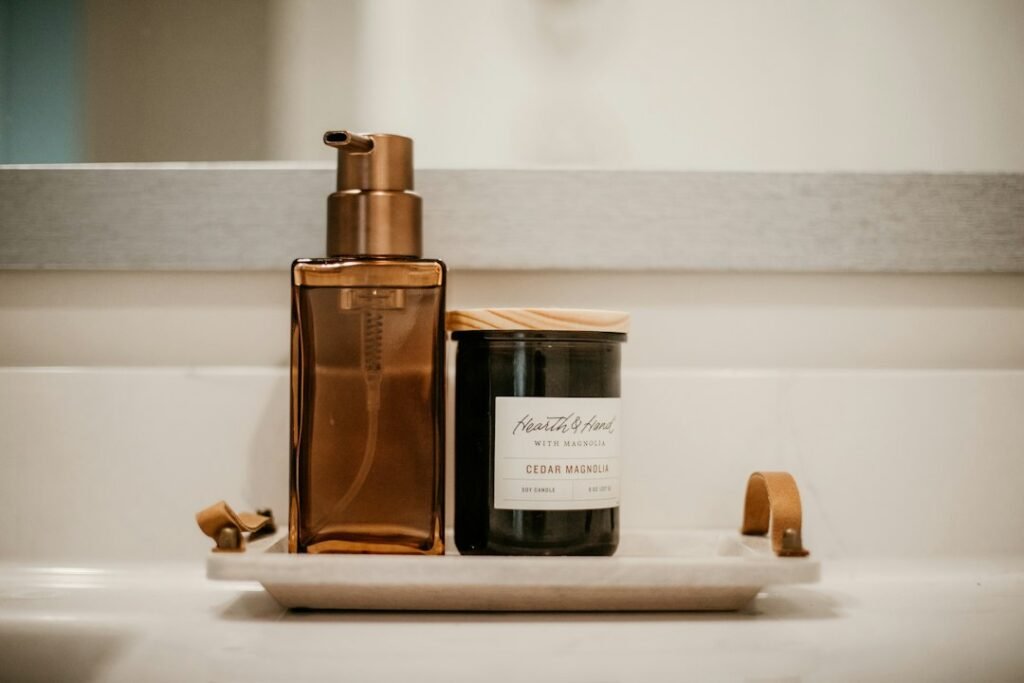
What matters (and what you can ignore) when choosing home fragrance
If you’re new to home scenting, focus on three practical things: the scent family you like (floral, citrus, woody, fresh), the delivery method (candle, reed diffuser, or room spray) and safety/placement. Ignore marketing claims like “long-lasting” unless the product lists clear size and ingredient info you can compare—those claims are subjective.
Quick answer: which format should you start with?
Pick one based on the room and your routine:
- Use scented candles for living rooms and dining areas where you’ll light them while present—best for atmosphere and layering scents.
- Choose reed diffusers for consistent, low-maintenance scent in bedrooms, hallways and bathrooms.
- Keep a room spray for quick refreshes, small accidents, or when you need immediate scent control.
How to match scent types to rooms and activities
Think of scent like a design choice: match mood to function.
- Bedrooms: calming, low-intensity notes—lavender, powdery florals, soft musks. Avoid heavy, sweet gourmand scents that can feel cloying at night.
- Living room / entry: welcoming and sociable—citrus, green tea, light woody blends or fresh linen aromas.
- Kitchen: clean and bright—citrus, herbal (rosemary, basil), or subtle spice; avoid overtly sweet fragrances that clash with food smells.
- Bathroom: fresh, crisp notes—sea salt, eucalyptus, light florals; small diffusers work well here because humidity can amplify scent.
Understanding scent labels and notes so you don’t get surprised
Perfume-style notes (top, middle, base) indicate how a scent evolves. Top notes hit first (citrus), middle notes form the main character (floral, herbal) and base notes linger (wood, vanilla). If a product highlights only one note—“vanilla”—expect it to be dessert-like unless blended with citrus or woods to balance it.
Practical choices: candle, reed diffuser or room spray—pros and trade-offs
Here’s how each method performs for common beginner needs:

- Scented candles—Pros: strong immediate scent, warm ambiance, flameless electric wax warmers available as an alternative. Trade-offs: requires supervision and trimming wicks for clean burn; scent throws vary with wax type (soy, paraffin, blends).
- Reed diffusers—Pros: continuous, no flame, low maintenance. Trade-offs: slower to change scent (reeds absorb previous oils), less immediate punch in large open rooms.
- Room sprays—Pros: instant control, ideal for targeted refreshes. Trade-offs: very short-lived compared with candles or diffusers; repeated use can feel artificial if overused.
Safety and maintenance essentials
Small habits keep fragrance effective and safe:
- Candles: always trim wicks to 1/4 inch, burn on heat-resistant surfaces, and avoid drafts. Don’t burn a candle more than 4 hours at a time to prevent tunneling.
- Diffusers: flip reeds occasionally to refresh scent; replace reeds or oil after 3–6 months depending on size and room. Keep out of reach of pets and children; some oils can stain surfaces.
- Room sprays: test on fabric first and avoid spraying near food or open flames.
How to shop when you don’t know which scent you’ll like
Shop by small sizes or sampler sets when possible; this lowers risk and helps you learn preferences. When reading product descriptions, look for listed notes and suggested rooms. Pay attention to base notes if you want a lingering presence, and to top notes if you want brightness.
One useful starter product to try
If you want a low-effort, reliable start for a bedroom or hallway, a reed diffuser is a practical first pick: continuous scent without a flame or daily attention.
The reed diffuser above pairs well with calm scent families like lavender or pear and freesia; it’s a suitable option for people who prefer subtle, steady fragrance.

How to layer scents without clashing
Layering can create depth when done carefully. Use one dominant scent family (for example, citrus) and add a complementary element in a smaller dose (a candle with soft floral undertones). Avoid layering two strong vanilla or two strong spicy scents simultaneously; they tend to become muddled.
When to replace or change your home fragrance
Replace or refresh if the scent becomes faint (diffusers) or if you grow tired of it—olfactory fatigue is real. For candles, stop using when less than 1/2 inch of wax remains to avoid overheating the vessel. For diffusers, replace oil or reeds every 3–6 months depending on how strong you like the throw.
Quick troubleshooting: common scent problems and fixes
- Room still smells stale: remove source (trash, laundry), then use a neutralizing spray or bake vanilla-scented candle briefly to warm and refresh the air.
- Scent too strong: move the diffuser to a smaller area or reduce number of reeds; for sprays, air out the room first and use less product.
- Scent disappears after a while: clean the vessel, refresh oil or replace wick/reeds, and check for competing odors (pets, cooking).
Further reading and related resources
For picking candles for specific rooms, see our guide on how to choose scented candles for different rooms in your home. If you’re selecting fragrance gifts, our gift guide can help you avoid guessing a favorite scent: How to Choose a Fragrance Gift Without Knowing Someone’s Favorite Scent.
- Choose one delivery method to begin: candle, diffuser, or spray.
- Pick a small-size or sampler scent in the family you prefer.
- Plan placement away from drafts, heat sources and direct sunlight.
- Note any pets/allergies before buying scented oils or sprays.
- Follow candle safety: trim wicks and never leave burning unattended.
Begin with one well-chosen method that suits the room’s function: a candle for ambience, a reed diffuser for steady background scent, or a spray for quick fixes. Match scent families to the mood you want and follow simple safety and maintenance steps to keep fragrances pleasant and effective.
Which is better for continuous scent, a candle or a reed diffuser?
Reed diffusers provide continuous, low-maintenance scent without a flame and are better for steady background fragrance; candles give more immediate and stronger scent when lit.
How do I prevent candles from tunneling?
Burn a new candle until the melt pool reaches the edges (usually 2–4 hours), trim the wick to 1/4 inch before each burn, and avoid drafts.
Are reed diffusers safe around pets?
Some fragrance oils can irritate pets; keep diffusers out of reach, avoid essential oils known to be toxic to animals, and consult your vet if concerned.
How often should I change diffuser reeds?
Flip reeds every 1–2 weeks for a refresh and replace them or the oil every 3–6 months depending on scent strength and product size.
Can I use a room spray on upholstery?
Test a hidden area first—some sprays can stain or leave residues; use fabric-specific products when possible.