Answer first: match scent strength and family to each room’s purpose
To choose scented candles well, pick a scent family and scent strength that fit the room’s function: light, clean or citrusy notes for kitchens and bathrooms; soft, calming florals or woods for bedrooms; richer, welcoming blends for living areas; and subtle, focus-friendly aromas for home offices. Also consider candle size, wax type and placement to control how strongly a candle fills a room.
What actually matters when choosing candles
Before you shop, understand the four practical variables that determine whether a candle will work in a room: scent family (what the candle smells like), scent throw (how far and how strong the scent travels), wax and wick construction (burn quality and longevity), and room conditions (size, ventilation, competing smells).
- Scent family: citrus, herbal, fresh/clean, floral, gourmand (vanilla, spice), resinous/woody—each creates a different mood.
- Scent throw: “hot throw” (when lit) and “cold throw” (unlit). Small rooms need low–medium throw; large open-plan spaces can handle stronger throw.
- Wax and wick: soy and coconut blends burn cleaner and last longer than some paraffin; cotton or wood wicks influence flame stability and aroma delivery.
- Room conditions: drafts, open windows, cooking odors and humidity change how a scent behaves; match candle size to those conditions.
Living room and entry: aim for welcoming, balanced scents
Use a medium to strong scent throw because these areas connect your whole house and set the tone for guests. Choose warm, inviting families: soft woods (sandalwood, cedar), amber, light spices (cardamom, clove) or layered gourmands blended with citrus to avoid cloying sweetness.
Practical tip: pick a larger jar or multiple small candles so scent distributes evenly in an open plan. Avoid extremely polarizing notes (overpowering patchouli or heavy animalic accords) unless you know residents and guests enjoy them.

Bedroom: prioritize relaxation and subtlety
Bedrooms need calming, low-to-medium throw scents so they don't compete with sleep. Look for lavender, chamomile, soft vanilla, green tea, or delicate white florals. Woody base notes like sandalwood or light musk can add warmth without stimulating.
Choose smaller jars or votives and extinguish the candle at least 30 minutes before sleep if sensitive; consider flameless diffusers for overnight fragrance if safety or allergies are concerns.
Bathroom: fresh, clean or odor-neutralizing scents
Bathrooms benefit from clean, sharp notes that neutralize odors: citrus (lemon, bergamot), eucalyptus, mint, ozonic/sea-breeze blends, or soapy florals. Use small votives or tealights with a short burn time to refresh only when in use.
Because humidity can mute scent, select candles labeled for strong hot throw or pair with a reed diffuser for continuous freshness.
Kitchen: neutralize and refresh, avoid gourmand overload
Kitchens need odor-fighting power without tasting like dessert. Citrus, herbal blends (rosemary, basil), coffee or ginger-lime work well. Avoid heavy vanilla or bakery-style candles if you cook frequently, since they can clash with food aromas.
For heavy cooking smells, choose candles with activated charcoal or specific odor-neutralizing notes, or reach for a candle tested for odor elimination rather than just pleasant scent.
Home office and study: keep scents subtle and focus-friendly
Workspaces should use low-intensity scents that support concentration: light eucalyptus, rosemary, citrus, or unsweetened green tea. Too-strong fragrances can reduce cognitive performance for some people, so pick small candles and keep them at least a few feet from your keyboard or workspace.
High-traffic multipurpose spaces: choose versatile, layered scents
If a room serves many purposes (dining + living), favor balanced blends—citrus top notes, a floral or herbal heart, and a warm woody base. These are less likely to clash with food or conversation and suit varied moods.
Choosing wax, wick and container by room
Soy or soy-blend wax is a safe default: cleaner burn, longer life and good cold throw. Coconut or blended waxes can offer stronger throw. Paraffin sometimes has stronger hot throw but produces more soot.
- Bedrooms: soy/coconut blends with cotton or wooden wicks for a gentle burn.
- Bathrooms/kitchens: smaller votives or tealights in heat-proof holders; consider citronella-free formulas for indoor use.
- Living rooms: larger jar candles with stable wicks to maintain steady scent over hours.
How big should a candle be for each room?
Match candle size to room volume and desired burn time. Small rooms (bathroom, bedroom) do well with 3–8 oz jars or votives. Medium rooms (office, small living room) suit 8–12 oz. Open-plan living/dining areas benefit from 12–20+ oz jars or two smaller candles spaced across the space.

Safety, placement and simple testing routine
Always trim wicks to 1/4" before each burn, keep candles away from drafts and flammables, and never leave a burning candle unattended. To test a scent before buying multiples: burn a candle for at least 1–2 hours in the target room and evaluate at different distances—near the doorway, where you sit, and when exiting the room.
Quick product recommendation for common needs
If you want a single starter set that covers multiple rooms, a mixed fragrance pack with varied small candles lets you try different families without committing to large jars. For a simple, reliable pick that fits the uses above, consider the Rank #1 multi-fragrance set available in the store—covers classic notes from citrus to lavender and is sized for testing in several rooms.
When to choose a diffuser instead of a candle
Pick a diffuser over a candle if you need continuous scent without an open flame (nurseries, overnight, allergy-sensitive households) or if you want a very subtle, steady background aroma. Use candles when you want occasional warmth, flame ambiance, and stronger hot throw.
Room-by-room quick picks (one-line suggestions)
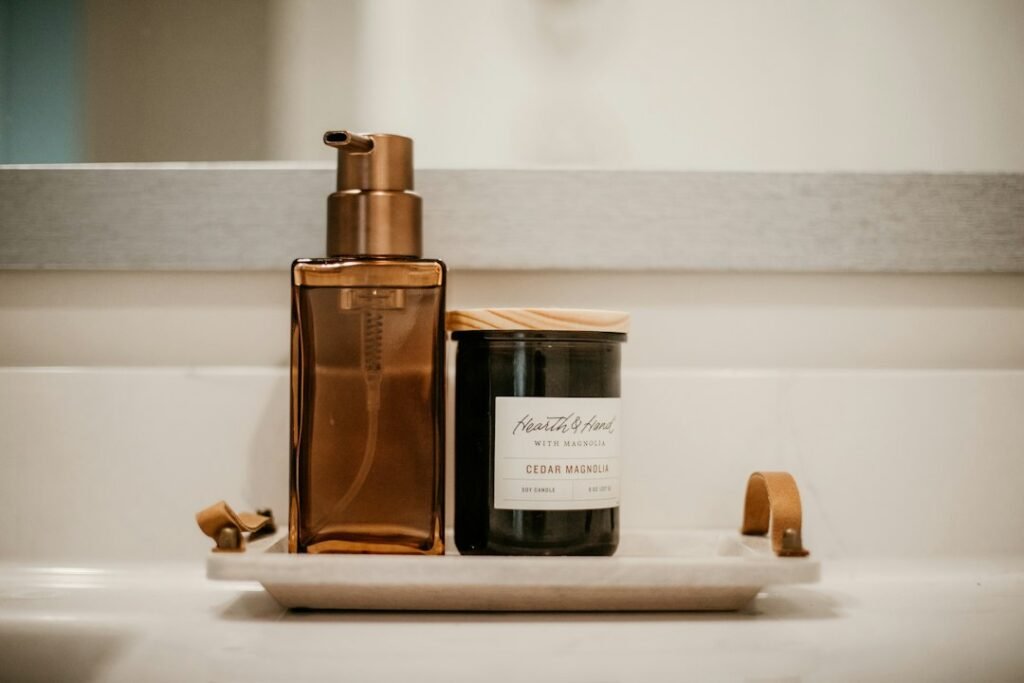
- Living room: cedar + amber blend, 12–16 oz jar.
- Bedroom: lavender or chamomile soy votive, low throw.
- Bathroom: lemon-eucalyptus tealight or 3–4 oz jar.
- Kitchen: rosemary-citrus or odor-neutralizing candle, small to medium jar.
- Home office: light eucalyptus or rosemary votive, placed off to the side.
- Decide room function: relax, neutralize, welcome or focus?
- Choose scent family that supports that function.
- Match candle size to room volume and ventilation.
- Prefer soy or blend wax for cleaner burn in bedrooms/living areas.
- Test one candle in the room for 1–2 hours before buying more.
- Trim the wick and place away from drafts and flammables.
Start by matching scent families to room purpose and control intensity with size and placement. Use smaller, cleaner-burning candles in bedrooms and bathrooms, and larger or multiple candles in living areas. Test before you buy multiple jars to build a balanced home fragrance palette.
How long should I burn a candle at once?
Burn a candle 2–4 hours per session to allow an even melt pool but avoid over-burning; follow manufacturer max burn times. Always extinguish if you leave the room.
Can scented candles trigger allergies?
Yes—fragrances and some additives can irritate sensitive people. Choose unscented options, mild natural essential oil blends, or test briefly before regular use.
Are soy candles better than paraffin?
Soy typically burns cleaner and longer with less soot; paraffin can have stronger throw but more soot. Blends combine strengths of each.
How do I stop a candle scent from being too strong?
Trim the wick, move the candle farther from seating, choose a smaller candle, or open a window briefly to reduce concentration.
Should I match candle scent across rooms?
Not necessarily—use complementary scent families for flow (e.g., citrus in kitchen, light florals in bedrooms, warm woods in living areas) rather than identical scents everywhere.